The Best Moisturizer for Dry Skin: Body Butter, Body Balm, or Body Oil?
The Best Moisturizer for Dry Skin: Body Butter, Body Balm, or Body Oil?
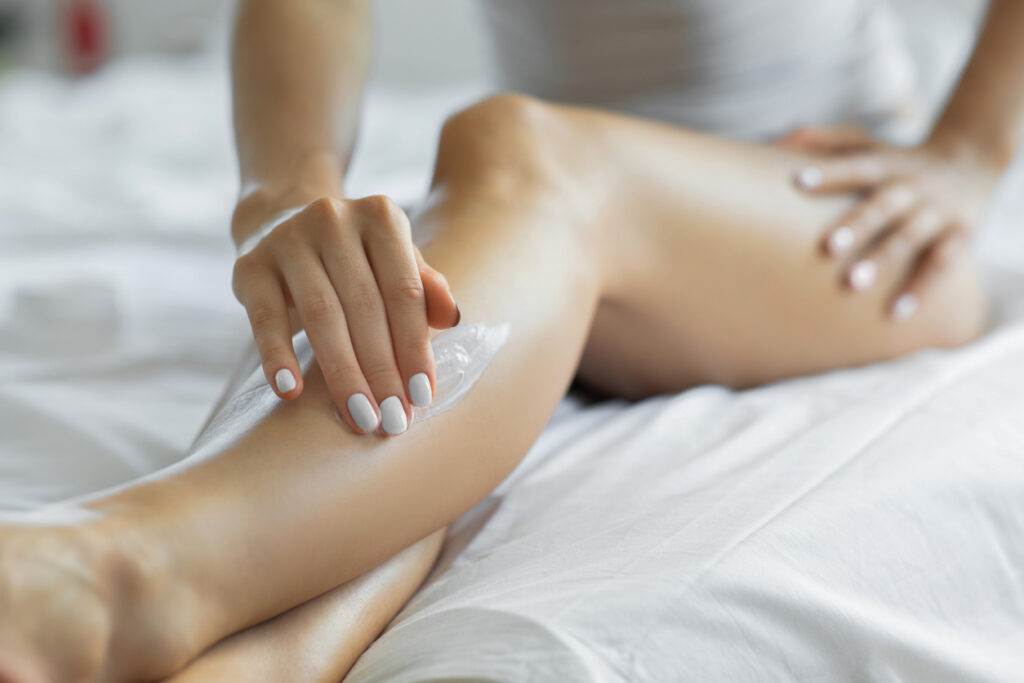
Most body butters today are little more than thickened lotion. A quick glance at the label often reveals little—if any—actual plant butter. The beauty industry has done an exceptional job of marketing water.
In reality, the average body butter is mostly H₂O, followed by glycerin, a texturizing triglyceride, a few fillers to lengthen the ingredient list, fragrance, and a preservative. And there you have it: a “body butter” with no real butter at all.
The question most people ask when their skin is dry is: which product should I use? The more useful question is: what is actually in it?
Dry skin vs. dehydrated skin
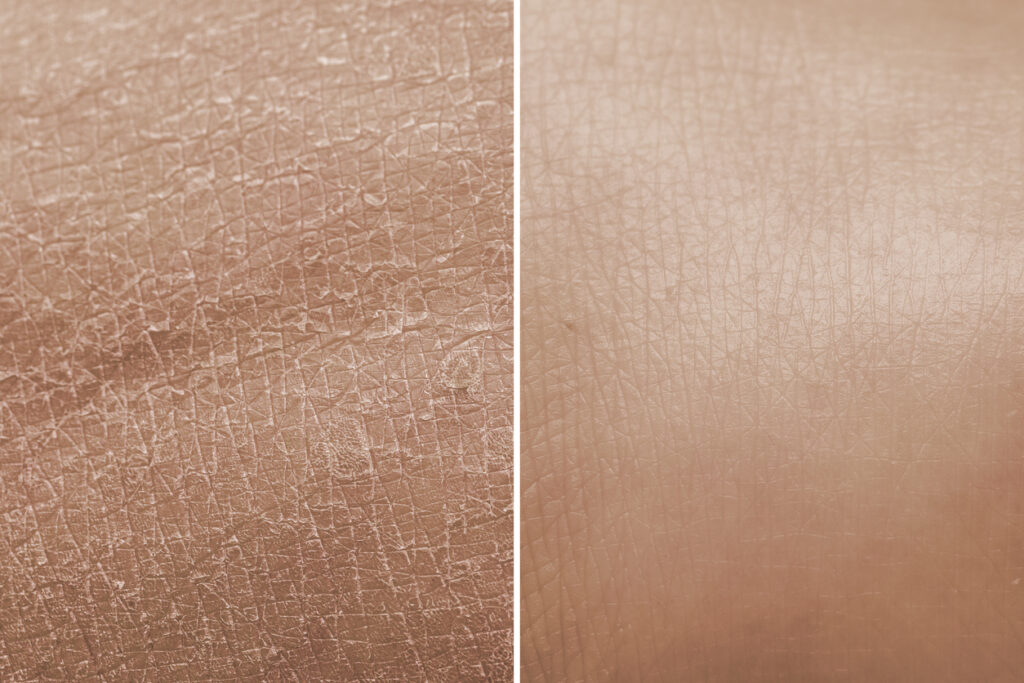
The distinction matters before anything else.
Dry skin lacks oil and lipids. It often feels tight, rough, or flaky—and it responds to ingredients that restore the lipid layer. Dehydrated skin lacks water. It can feel tight but also look dull, and it can affect oily skin types too.
Both can coexist. The best moisturizers address both by supporting barrier function and reducing transepidermal water loss—the rate at which moisture evaporates from the skin’s surface.
What a dry skin moisturizer actually needs
Three things, in order of importance:
Occlusives reduce water loss by creating a protective layer over the skin. This is why richer textures outperform light lotions in cold or dry conditions—they seal more effectively. Plant butters are among the most effective natural occlusives.
Emollients soften and smooth the skin by filling gaps between skin cells. Most plant-based oils function as emollients—they don’t just sit on the surface but improve the texture and comfort of the skin itself.
Barrier-supportive ingredients maintain the structural integrity of the skin over time. Many people with sensitive or reactive skin do better when their moisturizer focuses on barrier repair rather than active stimulation. Simpler formulations—fragrance-free, preservative-free, minimal ingredient lists—reduce the chance of disruption while the barrier rebuilds.
Read: Comprehensive Guide to Using Shea Butter on the Skin
Body butter, body balm or body oil
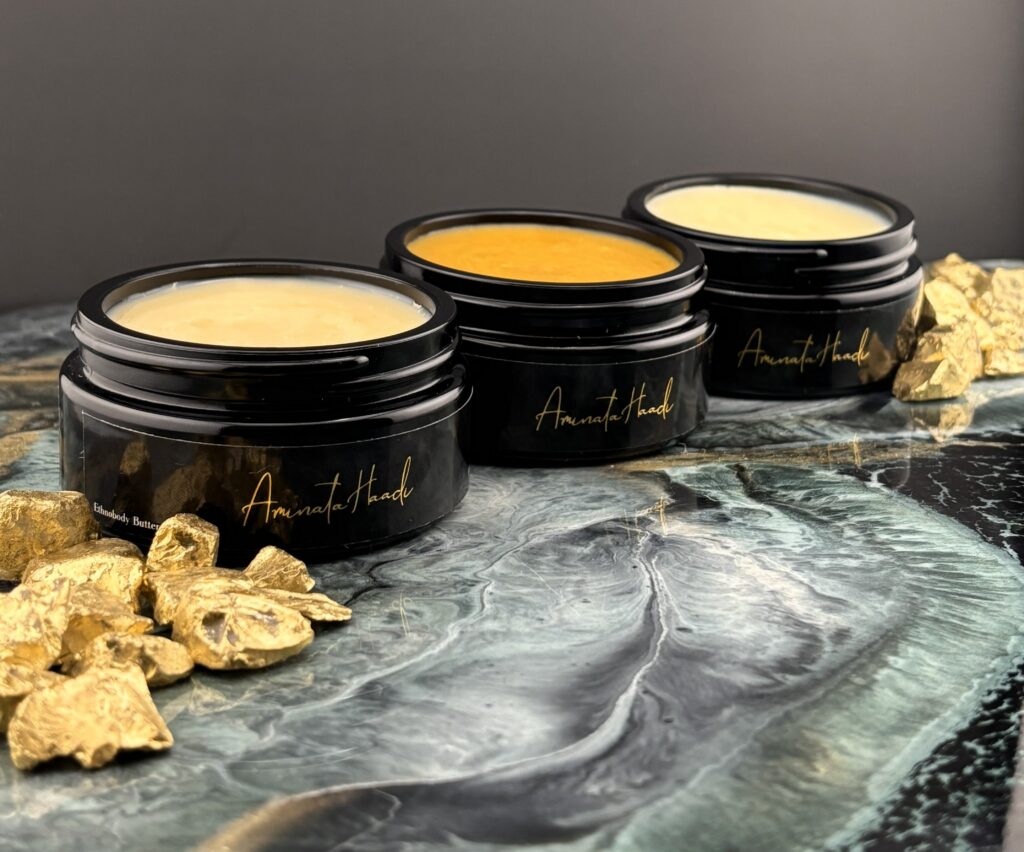
These are not interchangeable.
Body Butter
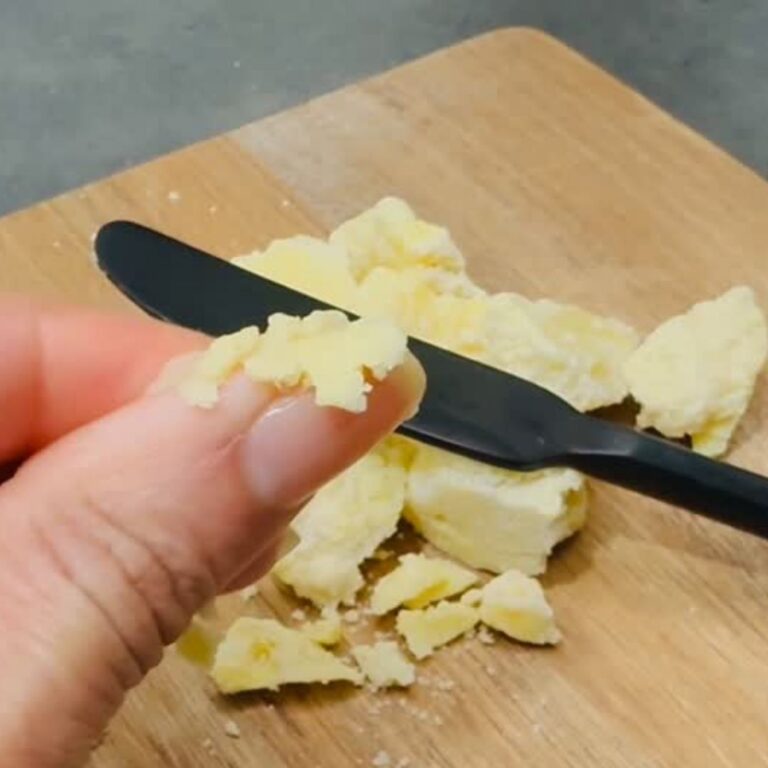
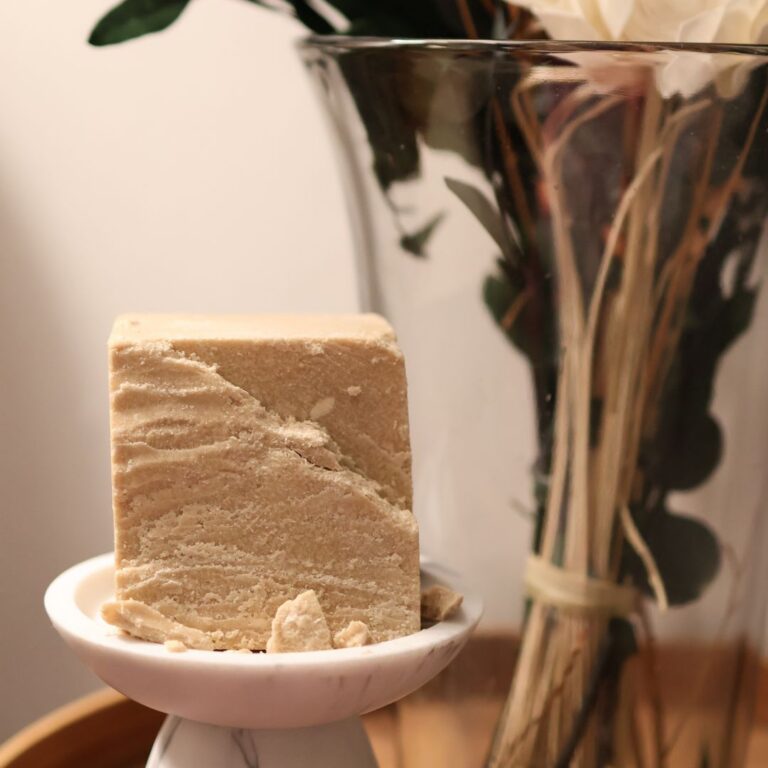
True body butter is not the thick lotion you’ve likely encountered at beauty retailers. It refers to rich, plant-based fats—used in their pure form or blended with nutrient-dense oils to enhance texture and skin benefits. Raw shea butter, mango butter, kokum butter—these are solid at room temperature and melt on contact with skin, forming a protective layer that reduces moisture loss without requiring water or preservatives.
Best for: extremely dry skin, cold or dry climates, overnight hydration.
Body Balm
Body balm is similar in composition to body butter but often includes wax, giving it a denser, more solid texture. It also stabilizes the butters natural tendency to liquify at room temperature. This added structure makes balms effective for protecting against environmental stressors and treating localized dryness—cracked heels, elbows, compromised areas that need both protection and repair.
Best for: targeted treatment, barrier protection, skin exposed to harsh conditions.
Body Oil
Body oil shares a fundamental similarity with body butter: both are composed entirely of fat. Cold-pressed oils are extracted from seeds without heat or chemicals, preserving their natural fatty acid profiles and heat-sensitive nutrients. They absorb more quickly than butters and work well layered beneath a butter or used alone in warmer conditions.
Best for: fast absorption, layering, warmer climates, daily maintenance.
Some people find that combining both produces the best results—body oil applied to damp skin after a shower, sealed with butter at night.
Texture and longevity
A moisturizer can be effective on paper and still fail if it doesn’t stay on the skin long enough to do its job. If you wake up dry, your moisturizer likely isn’t lasting through the night—consider a richer formula or an anhydrous option that contains no water to evaporate.
Lotions are lighter because they’re water-based. The lightweight formula is familiar to most but may not seal adequately, especially in cold weather. Creams are richer and better suited for persistent dryness. Balms and butters are lipid-forward—strong for sealing and comfort, particularly overnight.
Rebuilding your skincare routine
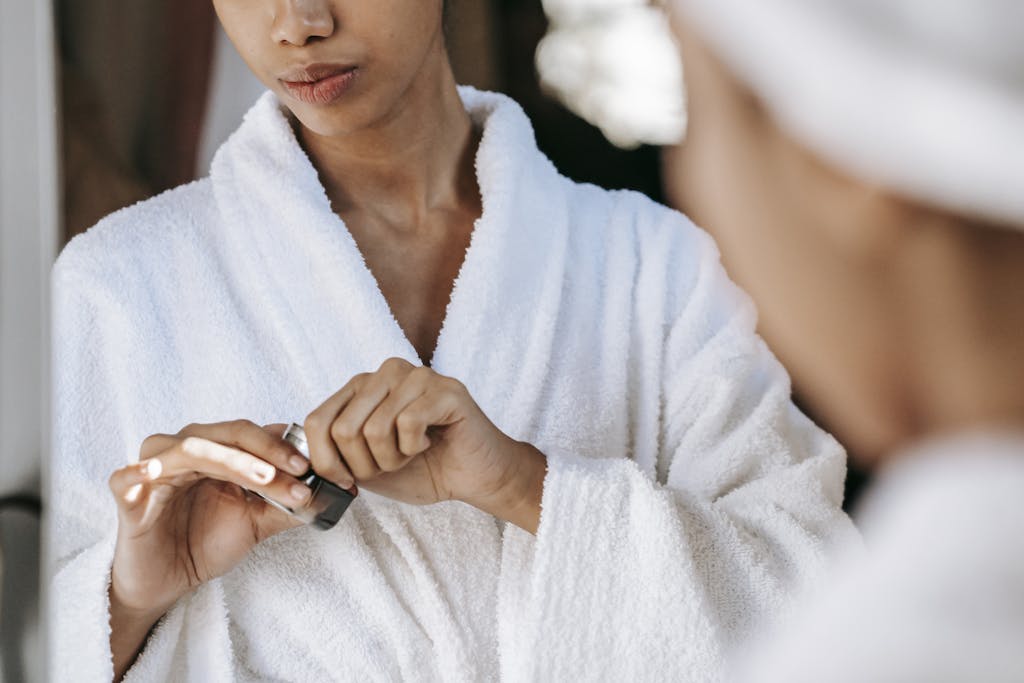
Keep it simple for the first 10–14 days. Three steps in the morning, two at night.
Morning: cleanse, moisturize, SPF.
Night: cleanse, moisturize (richer than morning).
Do not add actives until your barrier is stable. More steps do not make a routine more effective.
Closing
The best moisturizer for dry skin is not the most complex formula, it’s not what’s trending and it doesn’t require a 10-step skincare routine. Simply put, you’re looking for quality ingredients, rich texture, and results. A reliable moisturizer put on at night warrants a healthy glow in the morning. Not necessitated reapplication.
Our ethnobotanical body butters align with traditional skincare ingredients. While most of our base formulas contain raw shea butter, kpangnan and kokum butters, and nilotica shea, our cold pressed oils support these ingredients in texture and complimenting fatty acid profiles. Even our active ingredients are plant based.
Complimented Reading: Bakuchiol Serum – A Natural Alternative to Retinol
Our butters and oils are sourced from their countries of origin through fair trade cooperatives—wild-harvested where possible, organically grown where not, and always processed unrefined. Because where an ingredient comes from, how it’s grown, and how it reaches your skin is also a part of what it is.