Bakuchiol Serum: A Natural Alternative to Retinol
Bakuchiol Serum: A Natural Alternative to Retinol
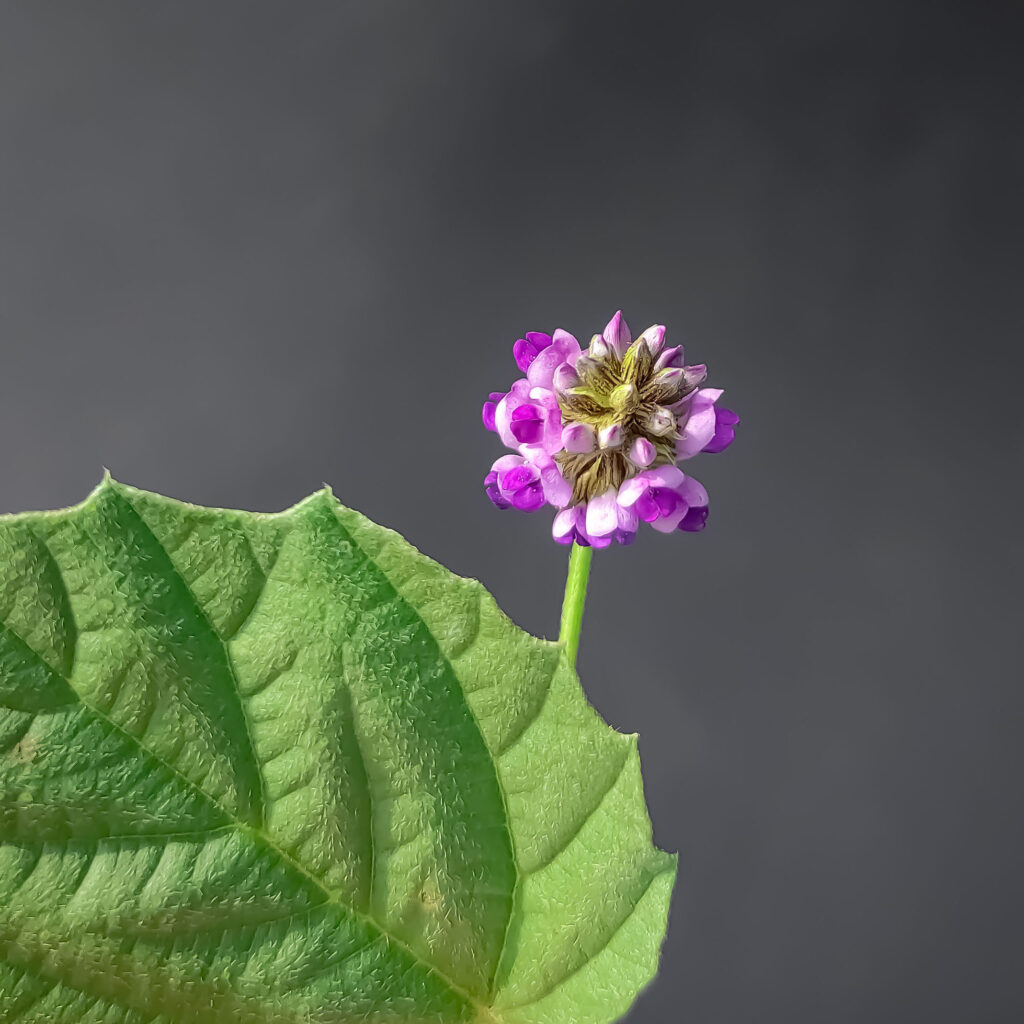
Bakuchiol is derived from the seed and leaf of Psoralea corylifolia — the babchi plant — and has been used in Ayurvedic practice for centuries to address inflammation, pigmentation, and skin texture.
Its current relevance comes from one specific comparison: bakuchiol produces retinol-like results — reduced fine lines, improved tone, and accelerated cell turnover without retinol’s liabilities. No photosensitivity. No barrier disruption. No mandatory adjustment period. For skin that doesn’t tolerate retinoids, or for anyone who prefers a plant-based active, bakuchiol is a substantive alternative rather than a compromise.
Ayurvedic skincare in modern formulation
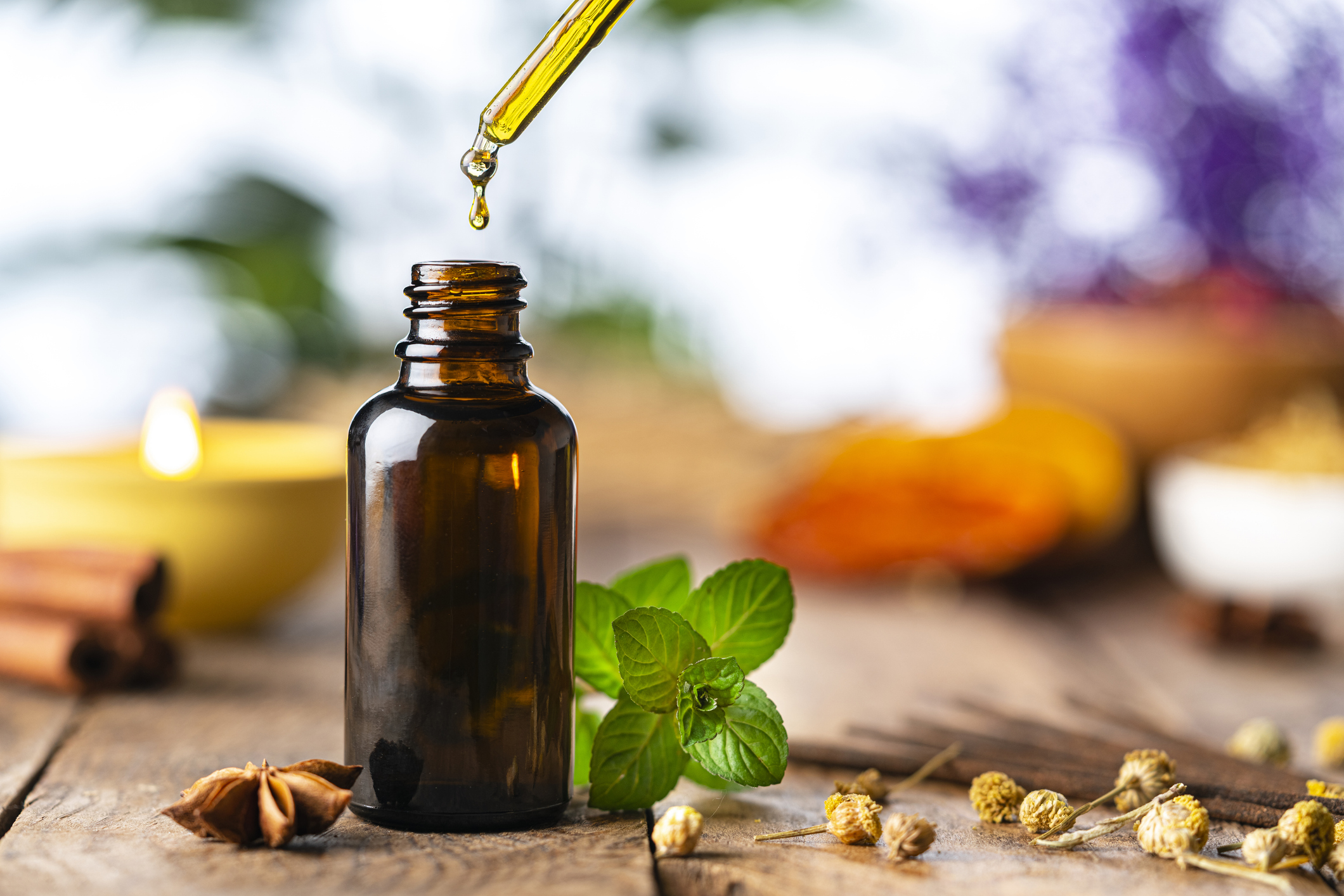
The distinction worth making here is not just historical — it’s structural. In Ayurvedic tradition, a serum is not water-based. It’s a concentrated oil-based preparation: herbs and actives delivered through nutrient-rich carriers, absorbed into the skin in an undiluted form. Sesame and almond oil were common bases. The babchi plant was a recurring ingredient in these preparations precisely because of its activity on skin tone and texture.
This is a fundamentally different delivery model than the water-based serums that define most of the modern skincare market. Water-based formulas require emulsifiers, preservatives, and stabilizers to hold their structure. Oil-based preparations don’t. The active reaches the skin without that infrastructure — which is the original logic of Ayurvedic oil formulation, and also the logic of anhydrous skincare today.
bakuchiol and kokum butter: a functional relationship
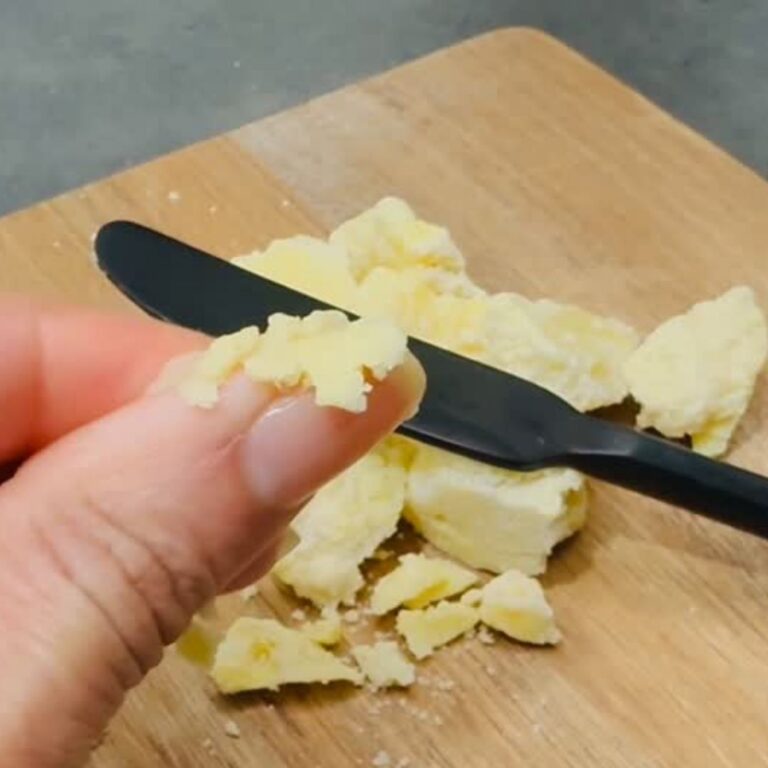
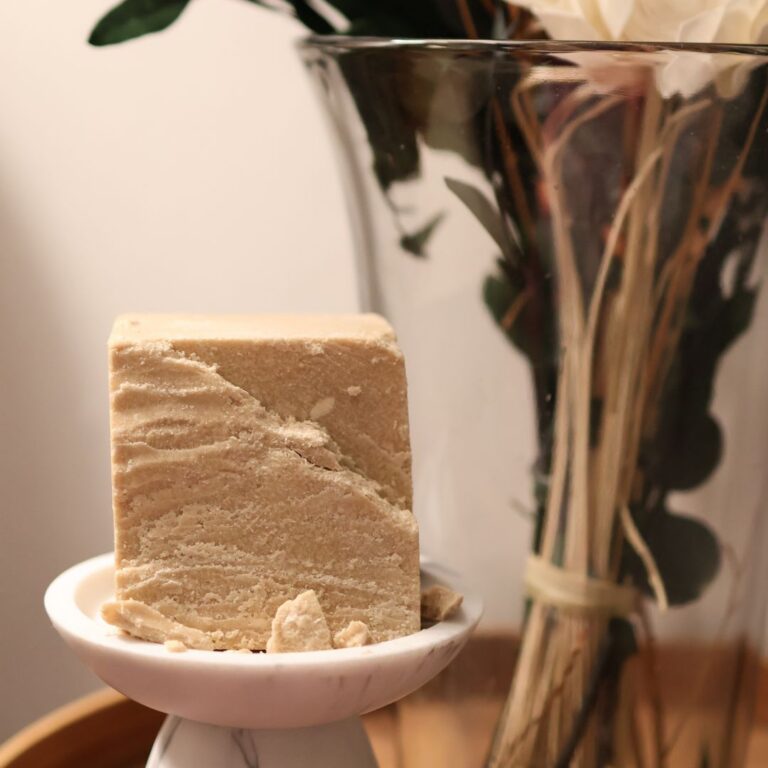
Kokum butter, pressed from the seeds of Garcinia indica, has its own place in Ayurvedic medicine. Firm, non-comedogenic, and deeply emollient without heaviness, it’s been used historically for sensitive and congested skin.
In a formulation context, the relationship between bakuchiol and kokum is not incidental. Bakuchiol encourages cellular turnover and renewal. Kokum provides a structurally stable, skin-compatible base that supports barrier integrity during that process. One drives change; the other maintains stability. That pairing has a logic that predates modern cosmetic chemistry — it’s the same principle that made babchi a recurring ingredient in kokum-adjacent Ayurvedic preparations.
In ORI Bakuchiol Face Balm, both ingredients are present for this reason. The formulation is anhydrous — no water, no preservatives, no synthetic delivery system. Bakuchiol as the active. Kokum as the base. The approach is direct.
Extraction method
Not all bakuchiol is the same. Cold-pressed bakuchiol retains the broadest spectrum of the plant’s compounds but varies in potency. CO2 extraction produces a more concentrated, standardized active with a cleaner profile — it’s the method that most closely replicates the consistency of clinical bakuchiol research, and the one used in ORI Bakuchiol Face Balm. The extraction method matters when evaluating what a formula is actually delivering, and it’s worth knowing which one you’re working with.