The Two-Minute Night Skincare Routine
The Two-Minute Night Skincare Routine
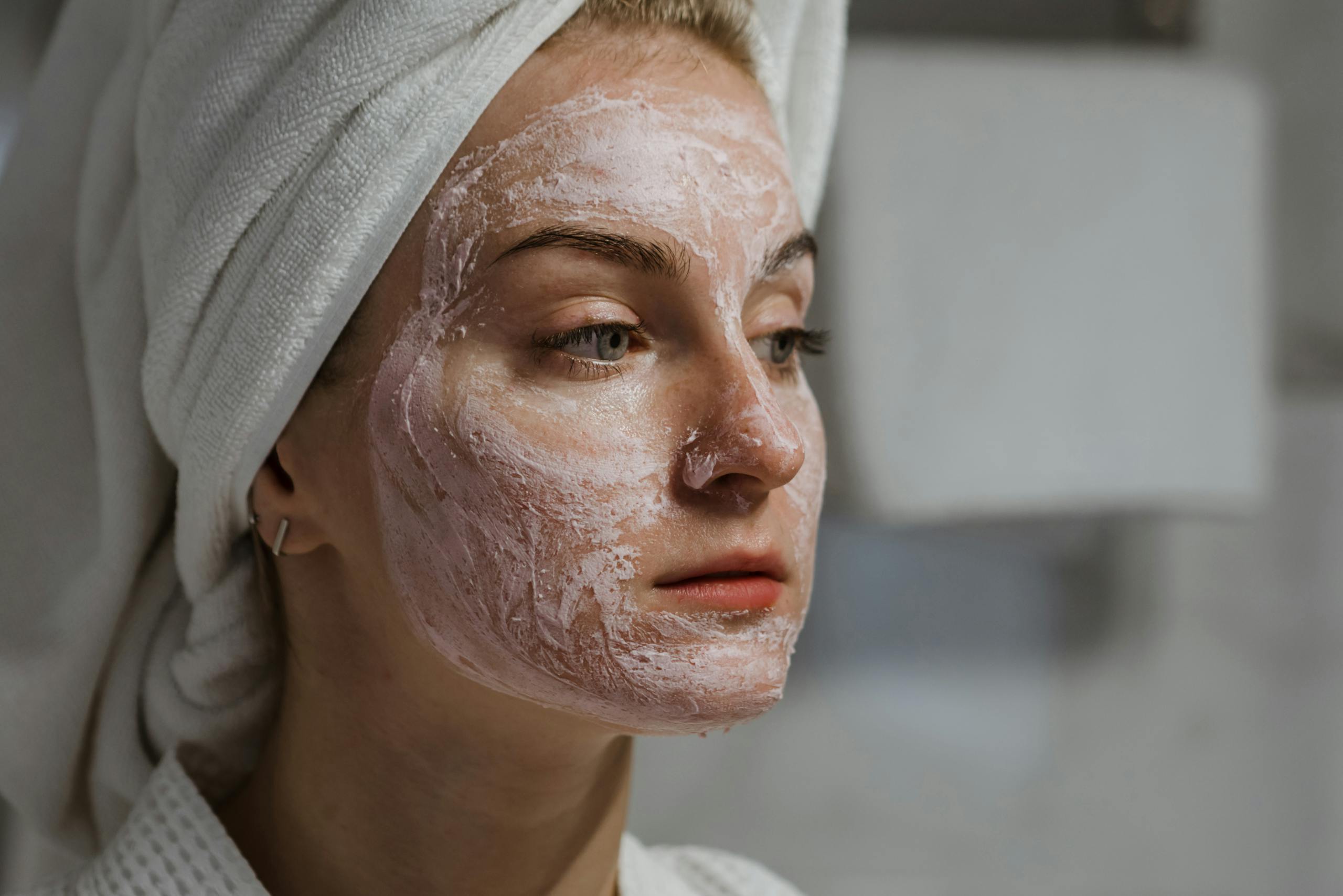
Most skincare routines don’t fail because the products are “wrong.” They fail because the routine is unrealistic. If it takes ten steps, it eventually becomes optional—and consistency is what creates results.
A two-minute night routine keeps your skin clean, supported, and predictable. It’s also the best baseline to return to when your skin feels off.
What this routine is for
- Maintaining clear, comfortable skin with minimal effort
- Supporting the skin barrier year-round
- Reducing overuse of actives
What this routine is not for
- Treating complex skin concerns
- Replacing dermatology treatments
If your goal is healthier-looking skin, this is the foundation.
Step 1: Cleanse (30–60 seconds)

At night, cleansing is less about “deep cleaning” and more about removing what’s been sitting on your skin all day: sunscreen, makeup, sweat, oil, pollution, and general buildup.
Use a gentle cleanser if:
- Your skin feels tight after washing
- You’re dry, sensitive, or using any active ingredients
- You’re prone to redness or irritation
Consider a double cleanse only if:
- You wore makeup or heavy sunscreen
- You used water-resistant sunscreen
- You notice congestion that doesn’t improve with a single cleanse
Simple rule: If your cleanser leaves your skin feeling squeaky or stripped, it’s too aggressive. Clean skin should feel normal—not tight.
Step 2: Moisturize (30–60 seconds)
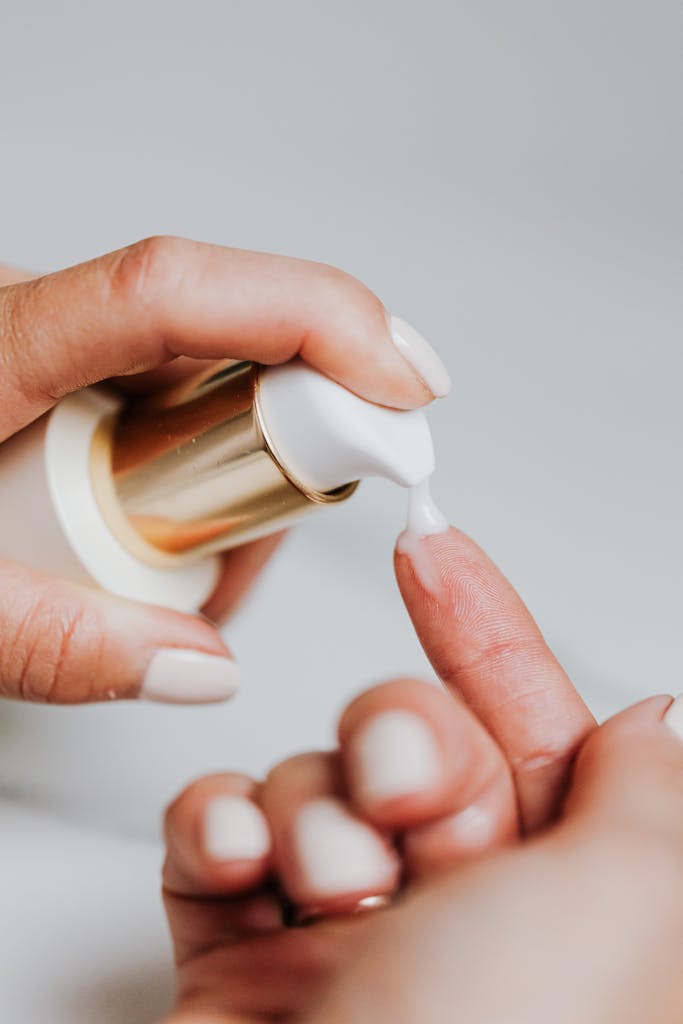
Moisturizer is not the “extra” step. It’s the step that prevents your skin from becoming reactive, dry, or flaky—especially in winter.
Choose your moisturizer based on how your skin behaves at night:
- Feels tight after cleansing: use a richer moisturizer
- Gets oily overnight: use a lightweight lotion/gel-cream
- Sensitive or easily irritated: keep ingredients simple and fragrance-free
Application tip: Apply moisturizer while your skin is slightly damp (not dripping). It helps lock in water and improves how the product spreads.
Optional Step: Seal (15–30 seconds)
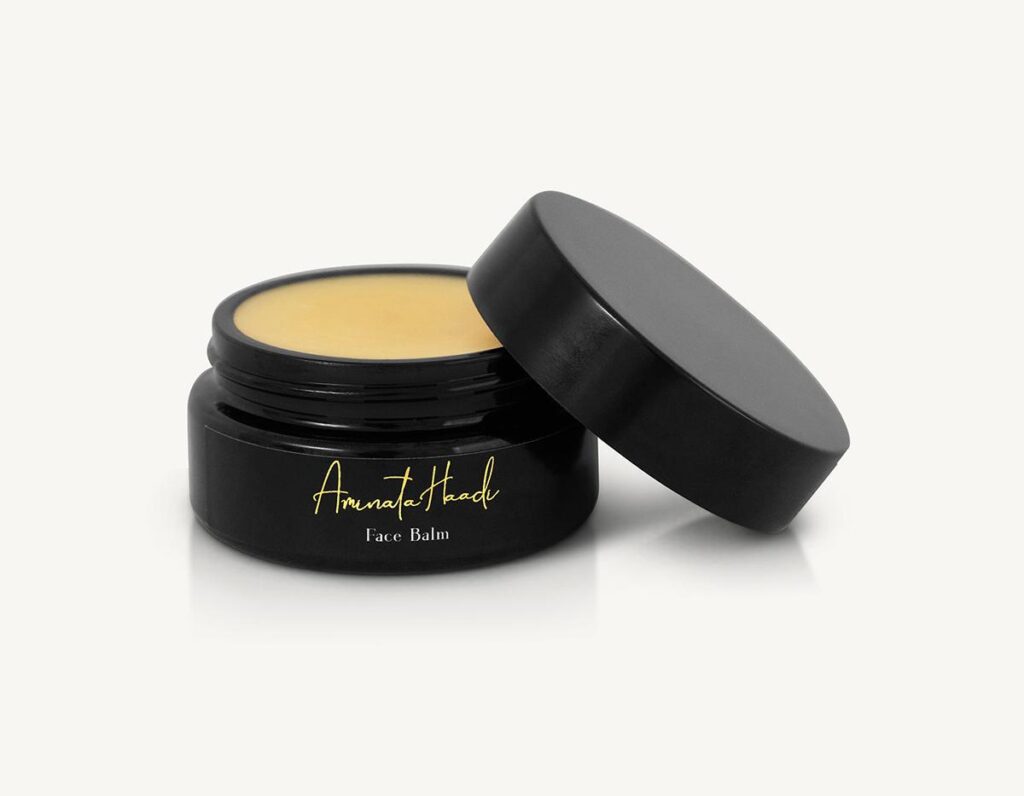
This is where a face balm or occlusive layer can be useful—especially if you wake up dry or your home air is dry (heat running, low humidity).
Who benefits from sealing at night?
- Dry or sensitive skin
- People who wake up with tightness or flaking
- Anyone dealing with winter dryness
- People using actives (retinoids, acids) and feeling irritation
How to do it without feeling greasy
- Use a pea-sized amount
- Press it into the skin (don’t aggressively rub)
- Focus on dry areas first (cheeks, around mouth)
If your skin is acne-prone, you don’t have to avoid balms entirely—but patch test and use lightly, especially around areas where you clog easily.
If you’re looking for a simple sealing step that won’t feel heavy, ORI Face Balm is a good option to consider. It’s fragrance-free and designed for sensitive skin.
Actives
Actives are not required for a strong routine. They’re optional tools. If your skin is stable and you want to target something specific—texture, acne, discoloration—actives can help, but they shouldn’t be default or assumed.
Think of actives as precision, not “more.” The moment a routine starts to feel complicated, it’s easy to overdo it: layering multiple treatments, switching products too quickly, or using strong ingredients more often than your skin can comfortably tolerate.
If you choose to use actives, keep them in a clear role:
- One goal at a time (ex: acne or discoloration, not everything at once)
- One primary active until you know how your skin responds
- Strategize your actives for results rather than impulsive use based on the days mirror image
And if your skin starts stinging, peeling, or becoming unusually reactive, that’s not “purging.” More often, it’s irritation—your cue to pause treatments and return to the two-minute baseline until your skin feels normal again.
The two-minute routine, summarized
Night:
- Cleanse
- Moisturize
- Seal (optional)
That’s it.
It’s intentionally boring—and that’s the point. Boring skincare is often the skincare that works, because you actually do it.
Quick troubleshooting
If your skin feels tight after cleansing:
Switch to a gentler cleanser or cleanse for less time.
If you’re dry even after moisturizing:
Add the sealing step (face balm or occlusive).
If you’re breaking out more than usual:
Pull back on heavy layers, check if you’ve added new products recently, and simplify for 7–10 days.
If your face stings when you apply moisturizer:
That’s often a barrier signal. Simplify immediately and avoid actives until your skin feels normal again.
Closing thought
A night routine doesn’t need to impress anyone. It needs to support your skin consistently.