Skincare Routine Order: Why Simple Steps Build Healthy Skin
Skincare Routine Order: Why Simple Steps Build Healthy Skin

Skincare has been turned into a performance.
Ten-step routines, complicated layering, and product “hauls” make it seem as if healthy skin requires a crowded bathroom shelf. In reality, the most effective skincare routine order is far closer to the way we define healthy skin itself: clean, moisturized, and protected.
This article returns to that core. Not because all skincare is simple, but because starting from a place of minimalism allows you to see what your skin actually needs—before you add anything else.
Why Skincare Routines Feel Complicated Now
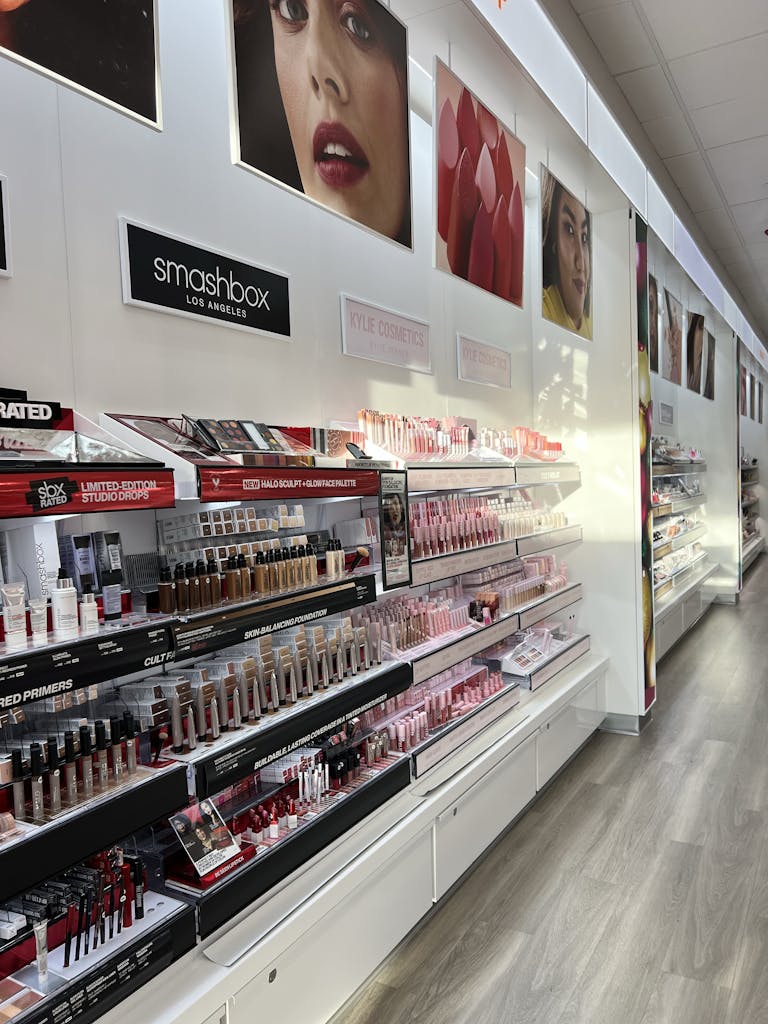
Modern skincare is shaped by trends and algorithms as much as by dermatology.
Social media has rewarded:
- Visible transformation over steady maintenance
- Overstuffed shelves over focused products
- “Show and tell” routines over quiet consistency
A routine that was once about caring for the skin has become content. Steps are added to appear knowledgeable, to keep up with trends, or to fit a certain aesthetic. The result is fatigue, irritation, and confusion around what actually matters.
But if you strip away the noise, the purpose of skincare stays remarkably straightforward:
- Keep the skin clean.
- Support its barrier with moisture.
- Protect it from UV damage.
Everything else is optional, conditional, or corrective.
The Essential Skincare Routine Order
At its simplest, the skincare order that works for almost everyone looks like this:
- Cleanse
- Moisturize
- Protect (sunscreen)
These three steps for a skincare routine can stand on their own. They create a baseline that allows you to evaluate any additional product by a simple question: Does this improve my skin beyond what these three already provide, or does it just add friction?
Let’s walk through each step.
Step 1: Cleansing — Clean, Not Stripped
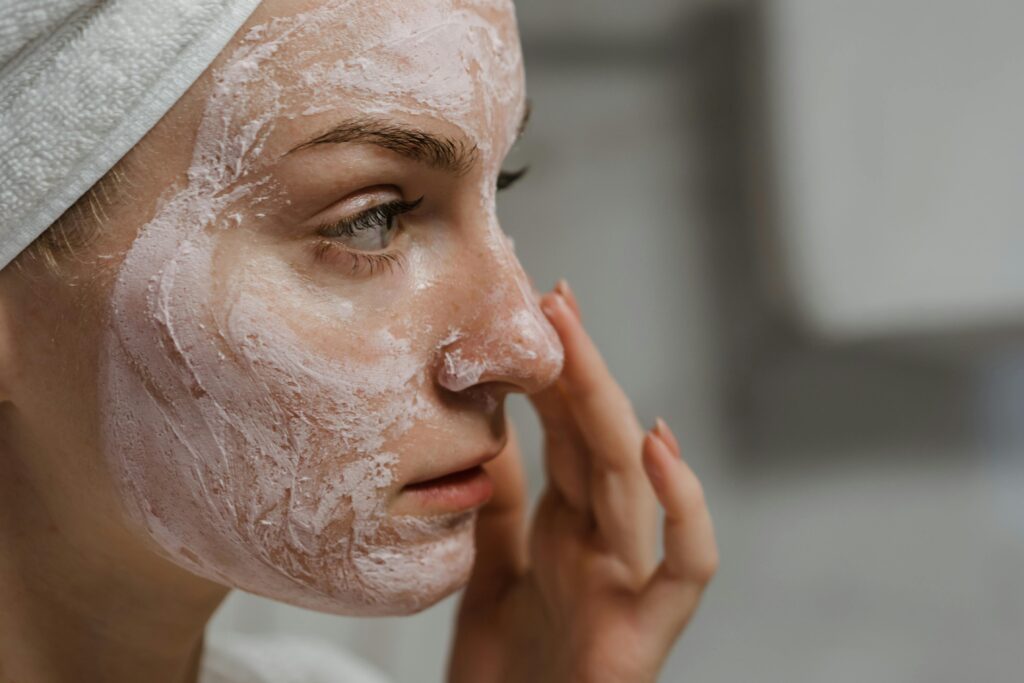
The purpose of cleansing is to remove sweat, excess oil, sunscreen, makeup, and environmental buildup without damaging the skin barrier.
A minimalist approach to cleansing means:
- Choosing gentle, low-foaming cleansers over harsh scrubs or frequent peels.
- Avoiding daily use of abrasive tools and strong exfoliants that can inflame and thin the skin over time.
- Cleansing once or twice a day, depending on your skin type and environment, rather than washing repeatedly “just to feel clean.”
When cleansing becomes aggressive—strong acids, rough textures, or multiple exfoliating products layered together—the barrier is weakened. Skin becomes reactive, tight, and prone to breakouts, which are then met with… more products.
Simple, consistent cleansing is the first anchor in your skincare routine order.
Step 2: Moisturizing — Supporting the Skin Barrier
Once the skin is clean, it needs support.
Moisturizers help:
- Replenish water in the skin
- Lock in hydration with lipids
- Maintain a strong barrier that keeps irritants out
In a minimalist routine, your moisturizer should be:
- Appropriate for your skin type (lighter lotions for oilier skin, richer creams or balms for dry or compromised skin).
- Formulated with barrier-supporting ingredients (ceramides, plant butters and oils, humectants) rather than overloaded with actives you don’t necessarily need.
A well-chosen moisturizer is often more impactful than layering serums you don’t fully need. It’s the second essential step in a healthy skincare order and one of the easiest places to see how “less is more” actually feels on your skin.
Step 3: Protecting — Sunscreen as Non-Negotiable

The third step, and the one that is most often skipped, is daily sunscreen.
Sun exposure is one of the most significant contributors to:
- Premature fine lines and wrinkles
- Hyperpigmentation and uneven tone
- Loss of elasticity over time
Sunscreen should be the final step in your morning skincare routine order, applied after moisturizer and before makeup (if you choose to wear it).
Minimalist protection looks like:
- Selecting a broad-spectrum SPF 30 or higher that you will actually wear every day.
- Applying enough product—most people under-apply sunscreen, which reduces its effectiveness.
- Reapplying every two hours when outdoors.
Heavy makeup can interfere here. When the face is treated as a canvas for full-coverage foundation, it becomes harder to reapply sunscreen as recommended. Over time, this trade-off—makeup over protection—shows up as more visible UV damage, even if the rest of your routine is well-structured.
Steps for a Skincare Routine: When to Add More
Minimalism doesn’t mean never using anything else. It means establishing a clear baseline and only adding what is justified.
Once your three-step foundation is consistent, you can evaluate additional steps for a skincare routine more accurately:
- Is your skin dry despite using a good moisturizer?
A hydrating serum with humectants might be useful. - Do you have specific concerns like hyperpigmentation or fine lines?
A targeted active (hydroquinone, a retinoid, or vitamin c) can be layered in gradually. - Is your skin barrier already compromised?
The best “extra step” may be removing something, not adding more.
For a deeper breakdown of how to choose the proper skincare routine order based upon your skin type, you can refer to Steps for a Skincare Routine: A Guide to Healthy, Minimalist Skin Care
The key is that the core order—cleanse, moisturize, protect—doesn’t change. You’re simply building around it.
Why Healthy Skin Rarely Looks “Instagram-Ready”
It’s worth saying clearly: healthy skin doesn’t always look like a filtered reel.
Most of the time, healthy-looking skin is:
- Smooth to the touch, with natural texture
- Relatively even in tone, even if not perfectly blemish-free
- Softly luminous, not artificially glazed or blurred
These results come less from dramatic before-and-after transformations and more from:
- Quality, well-formulated products used consistently
- Low manipulation—minimal makeup
- Avoidance of constant product experimentation and excessive exfoliation
- A sunscreen practice that protects the work you’ve done
Simple routines tend to produce skin that looks understated in photos but remarkable in person.
Lifestyle Habits That Subtly Shape Your Skin

Skincare doesn’t stop at the bathroom sink.
Some of the most powerful contributors to how your skin looks don’t appear in a flat lay or routine overlay:
- Rest: Chronic lack of sleep shows up in dullness, puffiness, and a general tiredness in the face. Adequate rest gives the skin time to repair.
- Hydration: Drinking enough water won’t replace moisturizer, but dehydration often makes fine lines and dullness more visible.
- Diet: A balanced diet that includes whole foods, healthy fats, and micronutrients supports overall skin health from within.
- Movement: Consistent movement or exercise promotes circulation and can improve the way your skin looks over time by supporting overall health and stress management.
- Stress load: High stress can manifest in flare-ups, breakouts, or sensitivity, even when your products remain constant.
These habits are rarely photogenic, but they’re deeply influential. A simple skincare order paired with consistent lifestyle choices often outperforms complicated lineups.
Building a Minimalist Skincare Order That Lasts
If you feel overwhelmed by skincare, returning to simplicity is not a regression; it’s a reset.
You can start here:
- Choose one gentle cleanser.
- Choose one moisturizer that feels comfortable and supportive.
- Choose one daily sunscreen you can commit to wearing.
Follow this skincare routine order consistently for several weeks. Observe how your skin behaves without constant product changes. From that stable point, you can decide whether any additional steps are worth the time, cost, and complexity.
The aim is not to have the most elaborate routine, but a routine that respects both your skin and your life—clear, sustainable, and anchored in what actually matters: keeping your skin clean, supported, and protected.