The Reset: How to Repair Skin Barrier After Overdoing Actives
The Reset: How to Repair Skin Barrier After Overdoing Actives
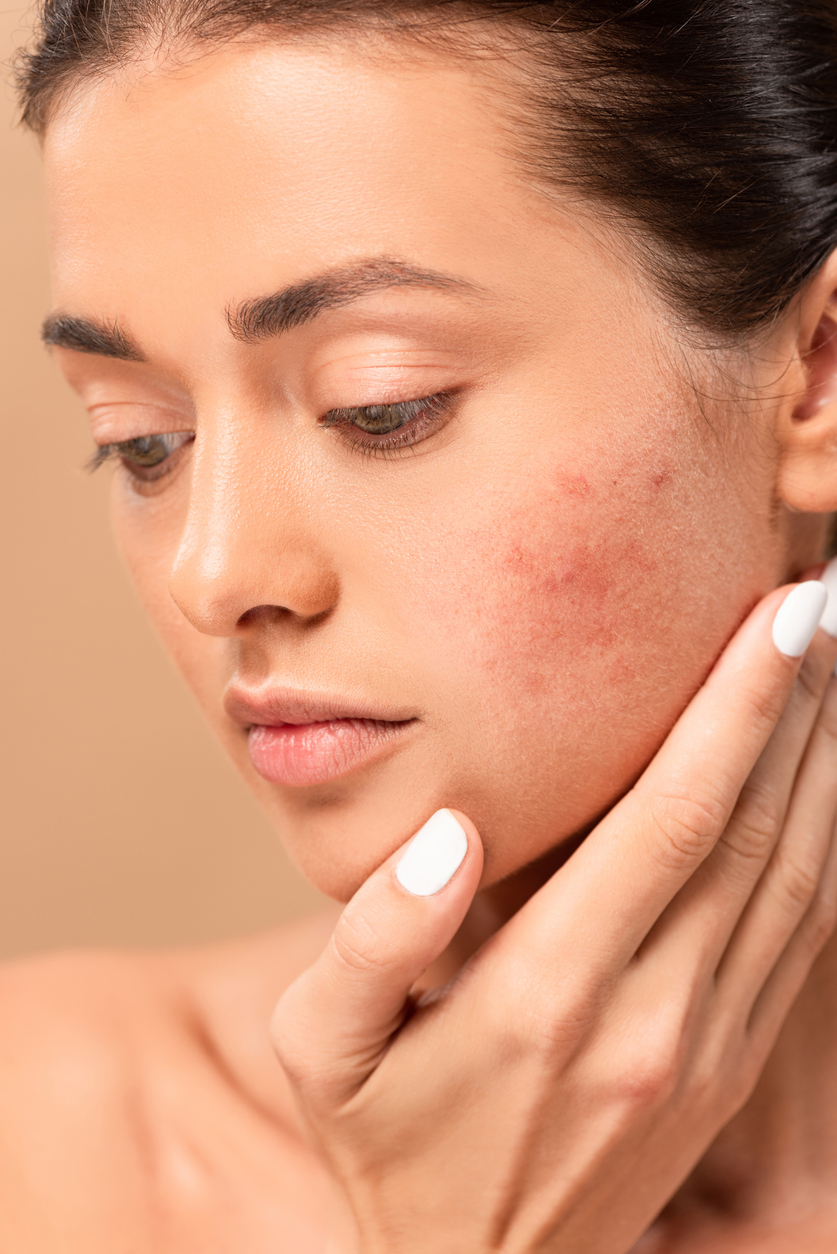
If your skin has become overly reactive — stinging from cleansers, tightness after moisturizer, redness that lingers longer than it should — it’s usually a sign that your barrier is compromised. This article breaks down what’s happening, why it happens, and how to walk it back with a simple, short-term reset.
What “skin barrier repair” actually means
Your skin barrier is a protective structure that keep water in and irritants out. When it’s compromised, you feel it. Cleansers sting. Actives burn. Redness is slow to remedy. Products that once felt fine suddenly don’t. Barrier repair means restoring stability — reducing irritation triggers, supporting moisture retention, and giving your skin time to normalize.
Why barriers get disrupted
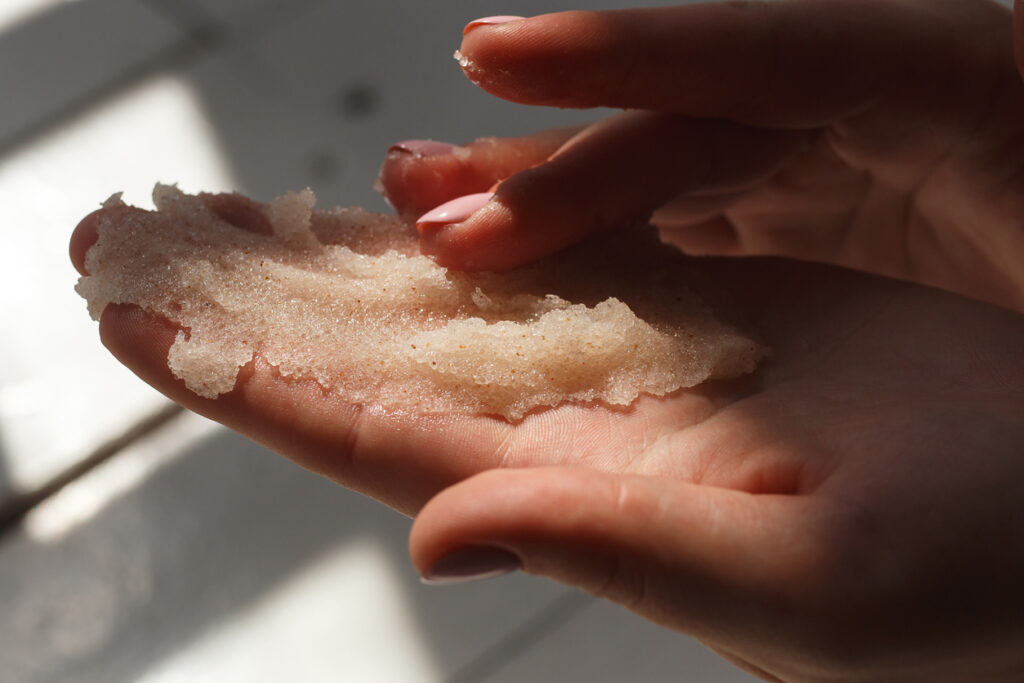
A barrier rarely collapses from one product. It’s usually accumulation. Too many exfoliating inputs is one of the most common causes: acids, scrubs, retinoids, peels, and brightening toners can each seem manageable on their own, but stack them and the combined load becomes aggressive, even if every individual product is labeled “gentle.”
Cleansing is another common culprit. High-foam formulas, long sessions, hot water, and frequent double-cleansing all chip away at the lipids your skin needs to stay comfortable. And when cleansing and exfoliation aren’t consistently anchored with a moisturizer — or better, a balm to seal it — the skin has no real opportunity to recover. Moisturizers restore water loss; balms seal that moisture in. Without both, the cycle continues.
The Barrier Reset Protocol
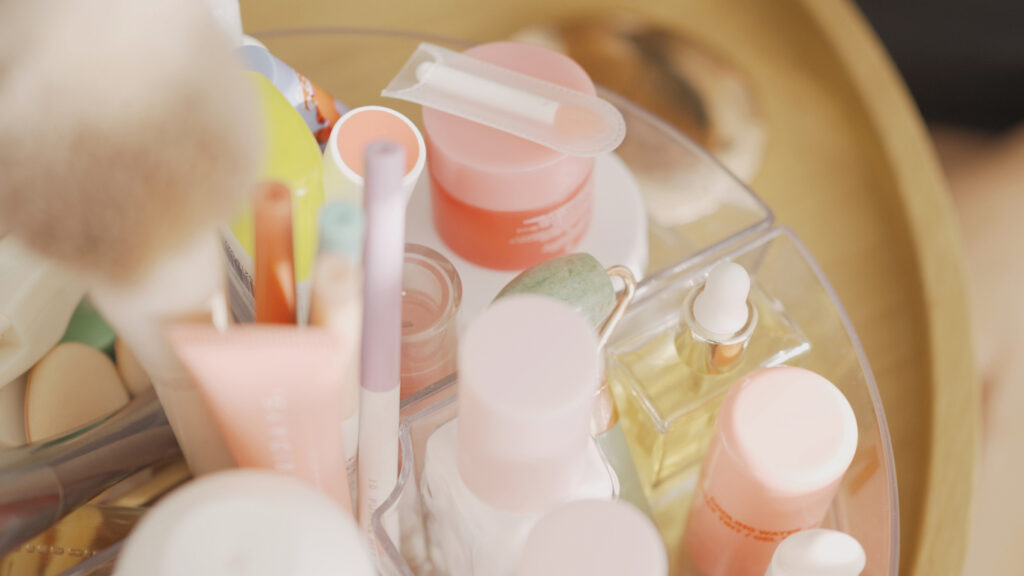
This is a short-term simplification designed to reduce irritation and rebuild tolerance. Give it 10–14 days.
Step 1: Pause the products
Temporarily stop retinoids and retinol alternatives, AHAs, BHAs, and PHAs, scrubs and exfoliating devices, strong vitamin C if it’s causing any sensation, and anything else your skin is visibly reacting to. If you’re managing a medical skin condition or on a prescription treatment, follow your clinician’s guidance first.
Step 2: Cleanse like your skin is stressed
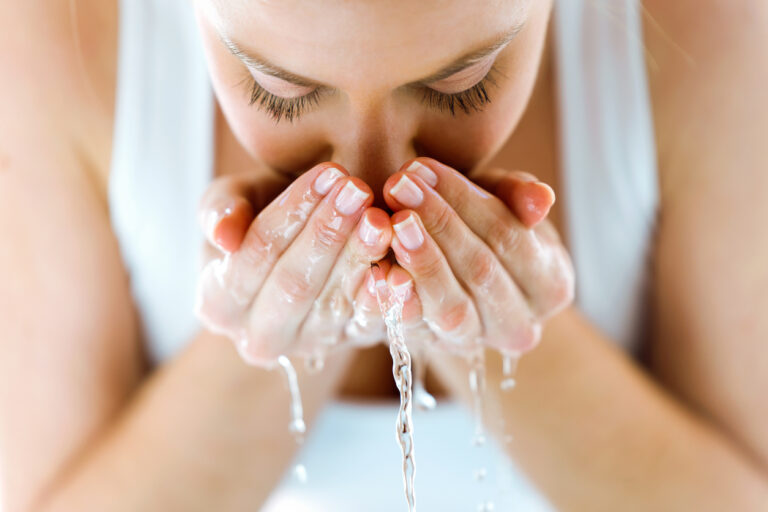
The goal is to cleanse, not strip. Use cold or lukewarm water, limit yourself to one cleanse unless you’re removing heavy makeup, choose a gentle low-foam formula, and keep the whole thing brief.
In conversation with: Minimalist Skincare – From Maximalism to Meaning
Step 3: Moisturize with emphasis on comfort and seal
Barrier repair isn’t about adding more steps — it’s about choosing better ones. Look for simple ingredient lists and fragrance-free formulas, especially while your skin is still reactive. Occlusive and emollient support helps reduce transepidermal water loss, which is the main driver of that tight, uncomfortable feeling.
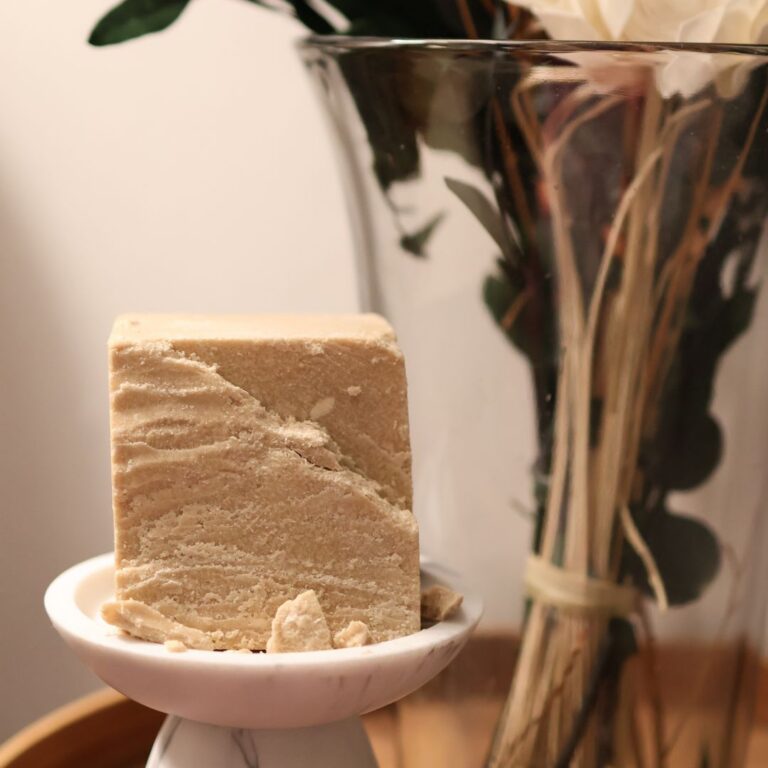
Waterless balms are particularly useful during a reset because they concentrate on lipids — the natural fats and oils your barrier is built from. If your skin responds well to a balm format, use it to seal your moisturizer at night, or as your primary anchor.
ORI Bakuchiol Face Balm works well here: simple, plant-based, and formulated to support the skin while it settles.
Step 4: Protect your skin from avoidable stress
Skip hot water on the face, avoid picking and plucking, and keep wearing sunscreen daily.
If you NEED TO keep one active
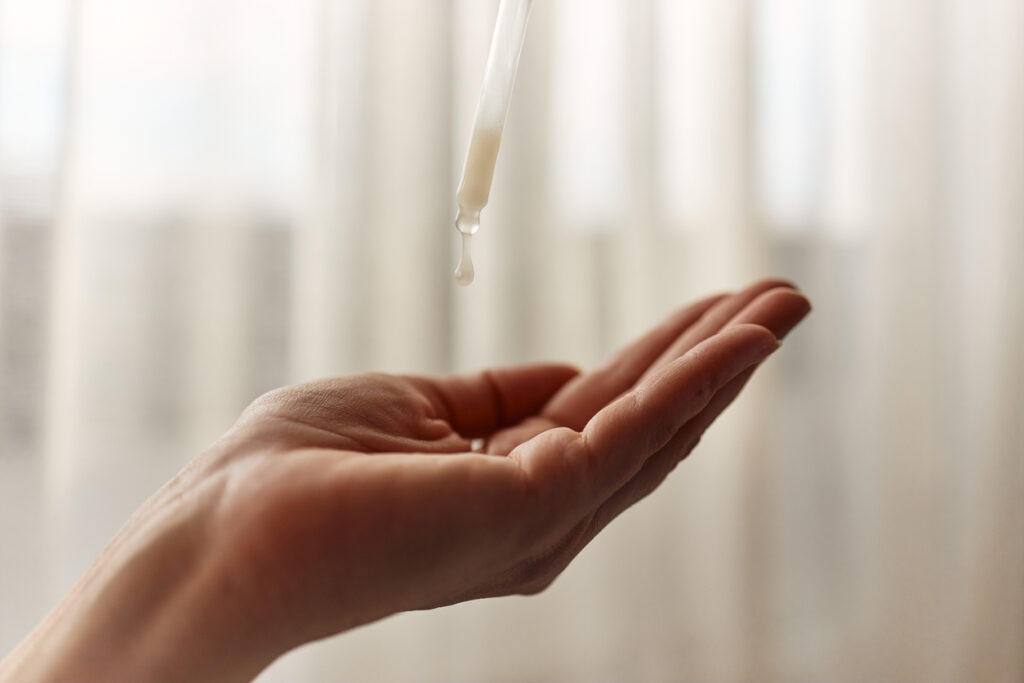
If you’re managing a condition that requires a specific active — a retinoid for acne or texture, for example — keep it, but reduce frequency to once or twice a week, apply it over moisturizer, and stop immediately if you experience persistent burning or flaking. During a reset, the goal is calm first. Results come after.
Signs your barrier is improving
The reset is working when cleansing stops stinging, moisturizer feels comfortable rather than just tolerated, redness has reduced or resolved, and your skin holds hydration through the day. If you wear makeup, it will start sitting more evenly — a reliable sign that your skin surface has stabilized.
How to reintroduce actives without repeating the cycle
After 10–14 days (sometimes longer), reintroduce slowly. Add one active at a time, use it once the first week, and if your skin tolerates it well, increase to twice weekly the following week. Keep your moisturizer consistent throughout, and don’t stack multiple exfoliating products back in at once.
A simple schedule looks like this: one active night in week one, two in week two, and then an honest evaluation in week three before increasing further. Only move forward if your skin is consistently comfortable — not just “fine.”
Closing
A barrier reset isn’t giving up on your routine. It’s strategic restraint. When your skin becomes reactive, more correction isn’t the answer — fewer variables and better fundamentals are.