Self Care Sunday: Seasonal Eating & Intentional Living
Self Care Sunday: Seasonal Eating & Intentional Living

Seasonal transition is not limited to light, temperature, or pace. It also reshapes how we fuel ourselves. Food choices shift with climate, availability, and the body’s changing needs. Yet many people continue selecting food based on habit—unrelated to season, nutrient requirements, or lifestyle demands.
Week Three of the Self Care Sunday series examines nutrition as a structural component of personal governance. Seasonal eating becomes a form of alignment and intentional living becomes the framework that supports it. Self Care Sunday is the weekly checkpoint that integrates these factors, ensuring your lifestyle reflects more than convenience—it reflects discipline.
Holistic Wellness Check: How Food Reflects Seasonal Demands
A holistic wellness check extends beyond movement, rest, and pace. It evaluates how you nourish yourself and whether those choices correspond to the season you’re in.
In winter, bodies require:
• denser nutrients
• grounding foods
• stable energy sources
When eating patterns ignore the season, inconsistencies arise in energy availability, digestion, mood regulation and mental clarity. Nutrition is not just about physical wellness; it influences behavioral stability and cognitive load. Seasonal eating brings these systems into alignment.
See: Holistic Wellness Activities that Support Clean Eating
Intentional Living Through Seasonal Food Choices

Self Care Sunday offers the space to assess not just what you eat, but how your food choices are made. Slow living requires examining the origin of your food, the environment that produced it, and the habits that guide your consumption.
Conscious consumption consists of:
• understanding what foods are in season
• choosing foods that reflect current energy demands
• reducing overconsumption rooted in convenience
• selecting nutrient-dense options aligned with the season
Alignment here is connecting your internal needs with external availability.
See: How Do Changing Seasons Affect Our Lifestyle
Farmers’ Markets: Reframing How Food Is Obtained
Farmers’ markets shift food from a transaction to an engagement. They reconnect the consumer with seasonality, locality, and nutrient density.
This approach supports holistic wellness by:
• offering produce at its prime
• shortening the distance between harvest and consumption
• reducing reliance on processed or out-of-season options
• grounding eating habits in the rhythm of the environment
Even simple choices such as purchasing winter vegetables directly from growers create a stronger sense of connection between harvest and season.
Gardening as a Structured Wellness Practice

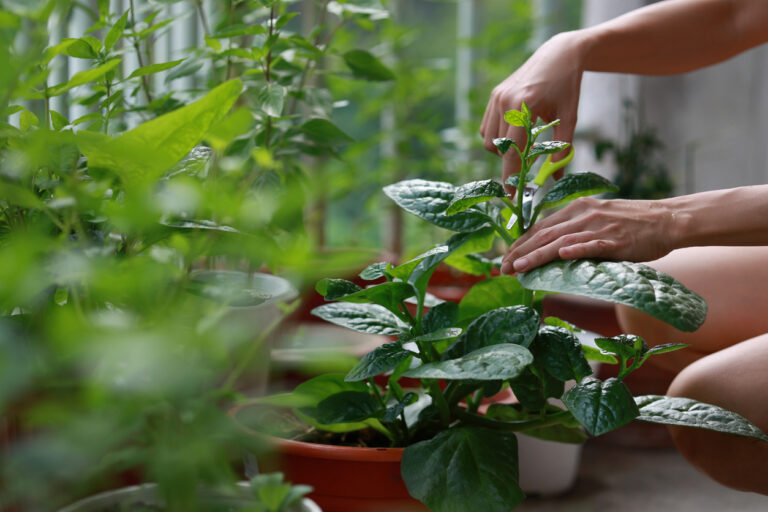
Gardening is not a hobby confined to warmer months. It becomes a winter wellness practice through planning, seed preparation, or small indoor plantings.
Gardening supports wellness in two primary ways:
1. Nutrition:
Growing even a few herbs or leafy greens reduces reliance on processed options and reintroduces freshness into winter eating.
2. Regulation:
The act of tending, even minimally, fosters focus and reduces mental noise. It becomes a structured activity that parallels the disciplined pace described in Week Two.
A garden, whether indoor or outdoor, operates as a natural wellness check. Its needs mirror your own: consistency, patience, and environment-based adjustment.
Hydroponic Systems: Modern Support for Seasonal Eating
Hydroponic growing systems offer structure for those with limited space or time. They align with seasonal eating by providing:
• easy access to fresh herbs and greens
• predictable, low-maintenance growth cycles
• an option for winter cultivation without soil
Hydroponics integrates seamlessly into intentional living. It is clean, efficient, and supportive of year-round nutrient quality—especially during seasons where fresh produce is limited.
The Domino Effect of Conscious Consumption
Small decisions regarding food—where it comes from, how it’s selected, how it’s grown—create measurable shifts in lifestyle. This is the structural nature of holistic wellness: not a singular act, but a network of deliberate choices reinforcing each other. Through weekly wellness checks, these decisions are evaluated and refined.
Complimentary Reading: Beginning the Week with Intention
A Closing Thought: Nutrition as Alignment
Seasonal eating is not an aesthetic—it is alignment. When incorporated with regulated pace, rest and intentionality, it forms a comprehensive framework for winter wellness.
Self Care Sunday anchors this integration.
The season shapes your needs.
Your discipline shapes your choices.
Together, they build a lifestyle that is consistent, sustainable, and intentional.
Let this week refine how you feed yourself—internally and environmentally.