Exfoliation 101: Types of Exfoliants and How to Incorporate Them into Your Routine
Exfoliation 101: Types of Exfoliants and How to Incorporate Them into Your Routine
Exfoliation is one of the most fundamental steps in skincare. It helps remove dead skin cells that dull the complexion, clears pores, and allows moisturizers and serums to penetrate more effectively. Yet, despite its simplicity, exfoliation is often misunderstood — especially when it comes to frequency, product choice, and method.
This guide breaks down the different types of exfoliants, how they work, and how to incorporate them safely into your skincare routine. Whether you’re looking for a natural face exfoliator, a gentle cleanser for sensitive skin, or simply wondering how to exfoliate your face correctly, understanding the principles behind exfoliation can transform how your skin looks and feels.
What Is Exfoliation and Why It Matters
Your skin naturally sheds dead cells in a process called desquamation. However, factors such as age, environment, and skin condition can slow this process, leaving the skin rough, uneven, or prone to clogged pores. Exfoliation helps by speeding up cell turnover — revealing newer, smoother skin beneath.
Consistent exfoliation improves:
- Texture and tone: Skin feels softer and looks brighter.
- Product absorption: Serums and moisturizers penetrate more efficiently.
- Clarity: Pores appear smaller and less congested.
- Radiance: A healthy glow replaces dullness caused by buildup.
But not all exfoliants are created equal. The best approach depends on your skin type and tolerance.
Types of Exfoliants
Exfoliants fall into three main categories: physical, chemical, and enzymatic. Each uses a different mechanism to remove dead skin cells and improve skin texture.
1. Physical Exfoliants
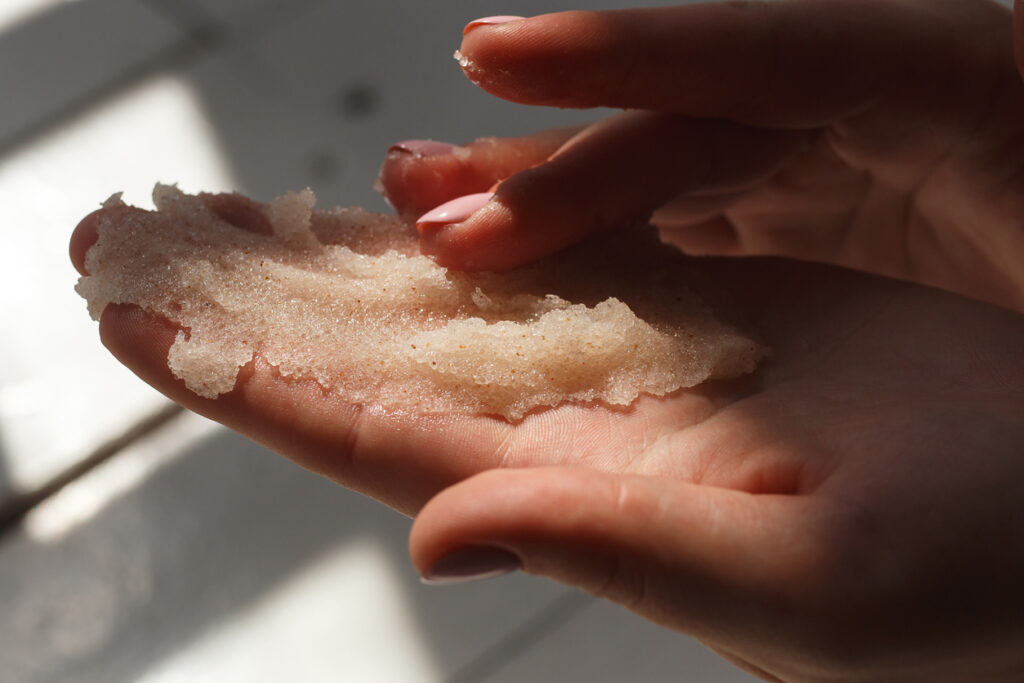
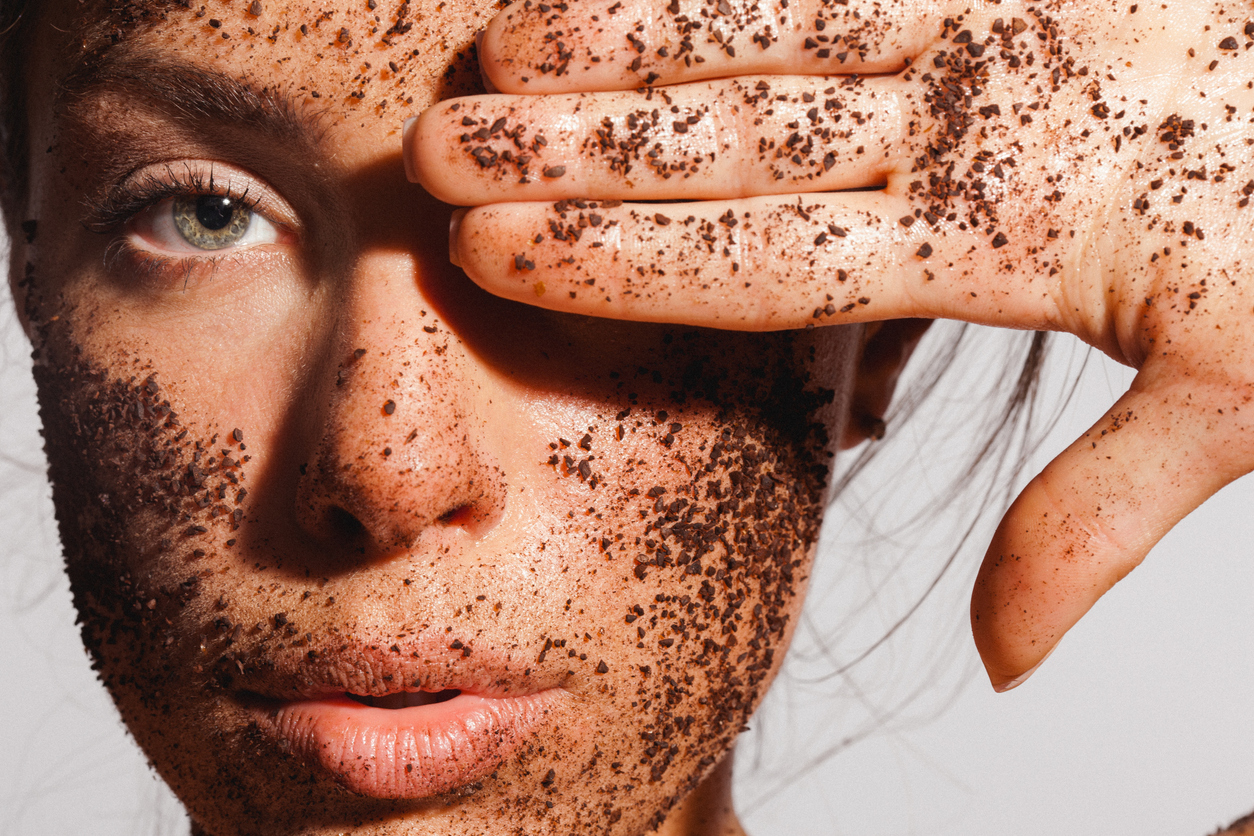
Physical exfoliants rely on friction to manually buff away dead skin. They can include scrubs, cleansing brushes, sponges, or textured cloths. Ingredients like sugar, salt, or crushed nuts are often used in exfoliating face scrubs and body scrubs.
While they can deliver immediate smoothness, physical exfoliants for the face are often too abrasive — especially for sensitive or acne-prone skin. The coarse particles can cause micro-abrasions, tiny tears in the skin that compromise the barrier and trigger inflammation.
Because facial skin is thinner and more delicate than body skin, mechanical scrubs can do more harm than good when used frequently. For this reason, physical exfoliants will not be discussed at length in this article.
That said, physical exfoliants for the body — such as sugar or salt scrubs — can be beneficial. The thicker epidermis on areas like the arms, legs, and back can handle a more abrasive texture without as much risk of irritation. These scrubs help remove buildup and improve the absorption of moisturizers or body oils afterward.
Key takeaway: Use physical exfoliants sparingly on the face (if at all) and more liberally on the body, where the skin is less fragile.
2. Chemical Exfoliants
Chemical exfoliants use acids to dissolve the bonds between dead cells rather than physically scrubbing them off. Despite the term “chemical,” these ingredients can be gentler than physical exfoliants, particularly when properly formulated and used in moderation.
They’re divided into two main types: Alpha Hydroxy Acids (AHAs) and Beta Hydroxy Acids (BHAs).
Alpha Hydroxy Acids (AHAs)
AHAs are water-soluble acids that act on the skin’s surface. They are ideal for dry, dull, or sun-damaged skin, helping to smooth texture and even out tone.
Common AHAs include:
- Glycolic acid: Derived from sugar cane, this small-molecule acid penetrates deeply and effectively removes surface buildup.
- Lactic acid: Found in milk and fermented plants, lactic acid offers mild exfoliation while providing hydration — a good option for sensitive skin types.
- Mandelic acid: Derived from bitter almonds, this AHA has a larger molecular structure, making it less irritating for sensitive or reactive skin.
AHAs also stimulate collagen production and can fade the appearance of fine lines or discoloration over time. However, they increase sun sensitivity, so daily SPF is essential when using them.
Beta Hydroxy Acids (BHAs)
BHAs are oil-soluble acids that penetrate deeper into pores, making them particularly useful for oily or acne-prone skin.
- Salicylic acid, the most common BHA, works by dissolving excess sebum and debris inside pores. It also has anti-inflammatory and antibacterial properties, helping reduce breakouts and blackheads.
While BHAs can be drying if overused, they are among the most effective tools for managing clogged pores and improving skin clarity.
Tip: Start with low concentrations (0.5–2%) and use them two to three times a week, increasing gradually as your skin builds tolerance.
3. Enzymatic Exfoliants
Enzymatic exfoliants rely on fruit- or plant-derived enzymes to gently break down dead skin cells. Unlike acids, which dissolve cellular bonds chemically, enzymes digest the proteins that hold dull surface cells together.
They are typically the mildest form of exfoliation, making them ideal for sensitive skin care routines or post-treatment maintenance.
Common enzymes include:
- Papain (papaya enzyme): Helps brighten skin and improve tone.
- Bromelain (pineapple enzyme): Gently smooths texture and reduces dullness.
- Pumpkin enzyme: Offers mild resurfacing while delivering natural antioxidants.
Because they work without friction or strong acids, enzymatic exfoliants are an excellent choice for those who cannot tolerate AHAs or BHAs.
Exfoliating the Face vs. the Body
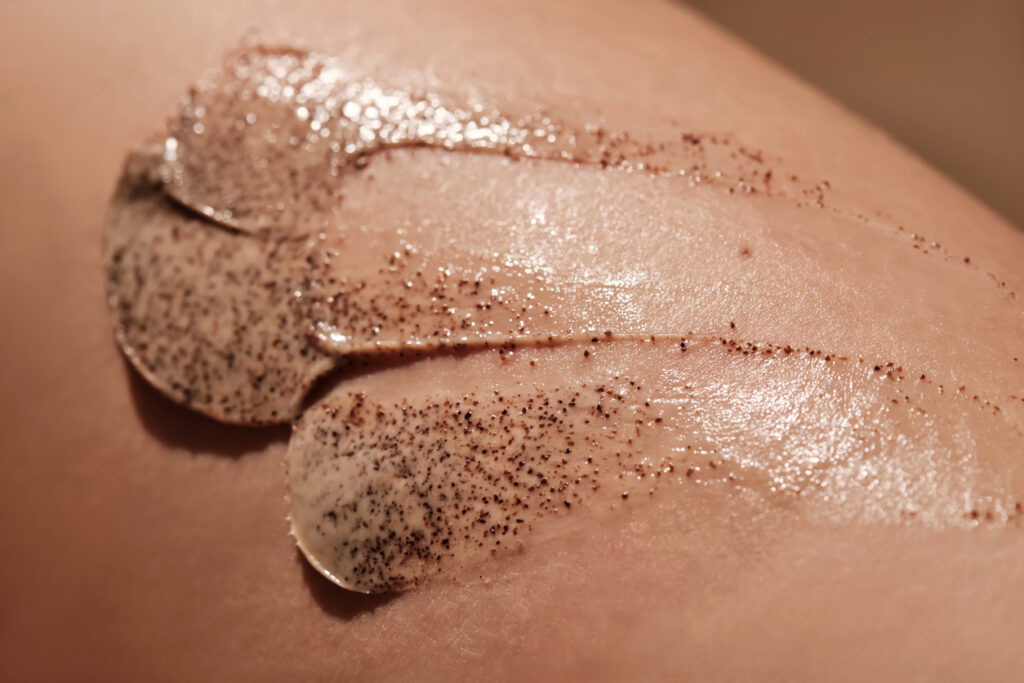
It’s important to differentiate between facial exfoliation and body exfoliation. The skin’s structure and thickness vary across the body, so the same products cannot be used interchangeably.
Facial Exfoliation
Facial skin is thinner, more delicate, and has a higher concentration of sebaceous glands and nerve endings. Over-exfoliating can quickly lead to redness, irritation, or barrier damage.
- Use frequency: 1–3 times per week depending on the exfoliant type and your skin’s tolerance.
- Best types: Mild AHAs, BHAs, or enzymatic exfoliants.
- Avoid: Harsh scrubs or rough physical exfoliants.
After exfoliating, always use a gentle cleanser for sensitive skin to remove residue without stripping natural oils.
Body Exfoliation
The skin on the body — particularly areas like elbows, knees, and heels — is thicker and less sensitive. Physical exfoliants such as sugar scrubs or dry brushing can help smooth rough patches and improve circulation.
- Use frequency: 1–2 times weekly.
- Best types: Physical exfoliants (scrubs, mitts) or gentle AHAs for keratosis pilaris or uneven texture.
- Follow with: A moisturizer for sensitive skin to lock in hydration and restore suppleness.
Choosing the Right Exfoliant for Your Skin Type
The best exfoliant depends on your skin’s needs and how it reacts to different ingredients.
| Skin Type | Recommended Exfoliants | Frequency |
|---|---|---|
| Sensitive | Enzymatic or lactic acid-based AHAs | Once weekly |
| Dry / Mature | Glycolic or lactic acid AHAs | 1–2 times weekly |
| Oily / Acne-Prone | Salicylic acid (BHA) | 2–3 times weekly |
| Combination | Alternate between AHA and BHA | 2 times weekly |
| Normal | Any mild exfoliant tolerated well | 1–3 times weekly |
Always patch test before introducing a new exfoliant, and never mix multiple exfoliants in the same routine without guidance — this increases the risk of irritation and barrier damage.
How to Exfoliate the Face Safely
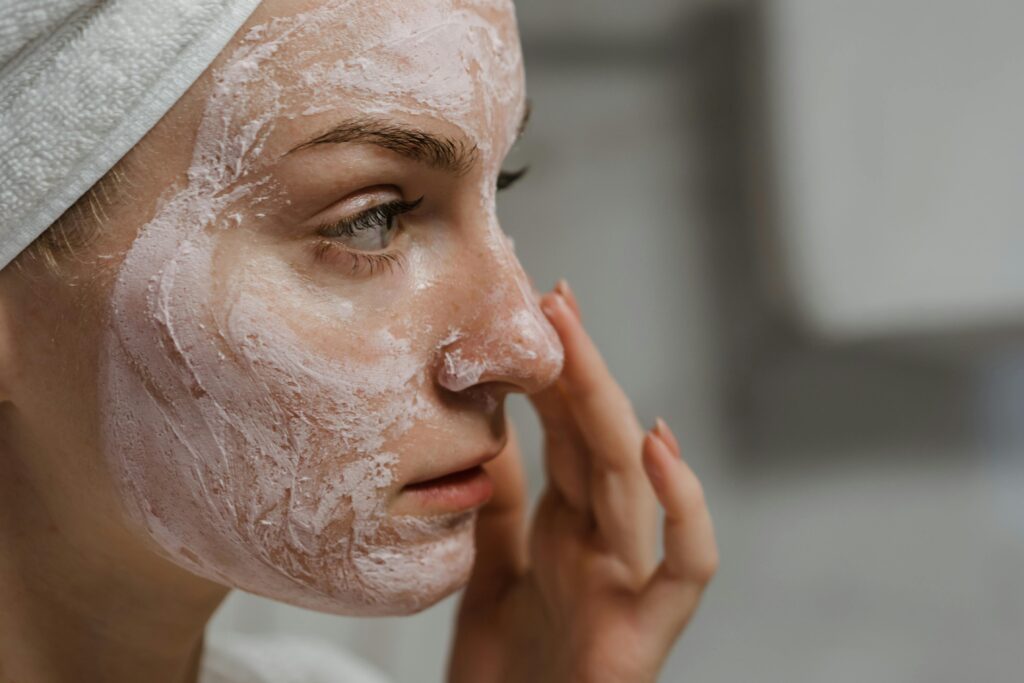
- Cleanse first: Use a gentle cleanser to remove makeup and surface debris. A gentle cleanser for sensitive skin prepares the face without disrupting the barrier.
- Apply the exfoliant: Follow product instructions carefully. With acids, use a cotton pad or clean fingertips to apply evenly across the face, avoiding the eye area.
- Wait, then rinse (if applicable): Leave on as directed. Some exfoliants are rinse-off; others are leave-on treatments.
- Moisturize: Always follow with a moisturizer for sensitive skin to restore hydration and reinforce barrier function.
- Sun protection: Exfoliation can make your skin more sensitive to UV rays — daily sunscreen is non-negotiable.
Aftercare: Treating Exfoliated Skin Like Sensitive Skin
Even if your skin isn’t normally reactive, freshly exfoliated skin should always be treated as if it were sensitive. The exfoliation process temporarily reduces the skin’s natural defenses, making it more vulnerable to dryness and irritation.
Understanding Sensitive Skin and the Post-Exfoliation Phase
Sensitive skin refers to a state where the skin barrier is easily disrupted, leading to redness, stinging, or tightness. After exfoliation — whether physical, chemical, or enzymatic — the outermost layer of the epidermis has been thinned or loosened. This makes the skin more permeable and in need of gentle care.
A post-exfoliation routine should include:
- A gentle cleanser for sensitive skin — free from fragrance, sulfates, or alcohol.
- A moisturizer for sensitive skin — ideally with ingredients that soothe, replenish, and protect.
- Avoiding actives (like retinoids or vitamin C) for 24 hours to allow the skin to rebalance.
ORI Face Balm: Gentle Care for Exfoliated and Sensitive Skin
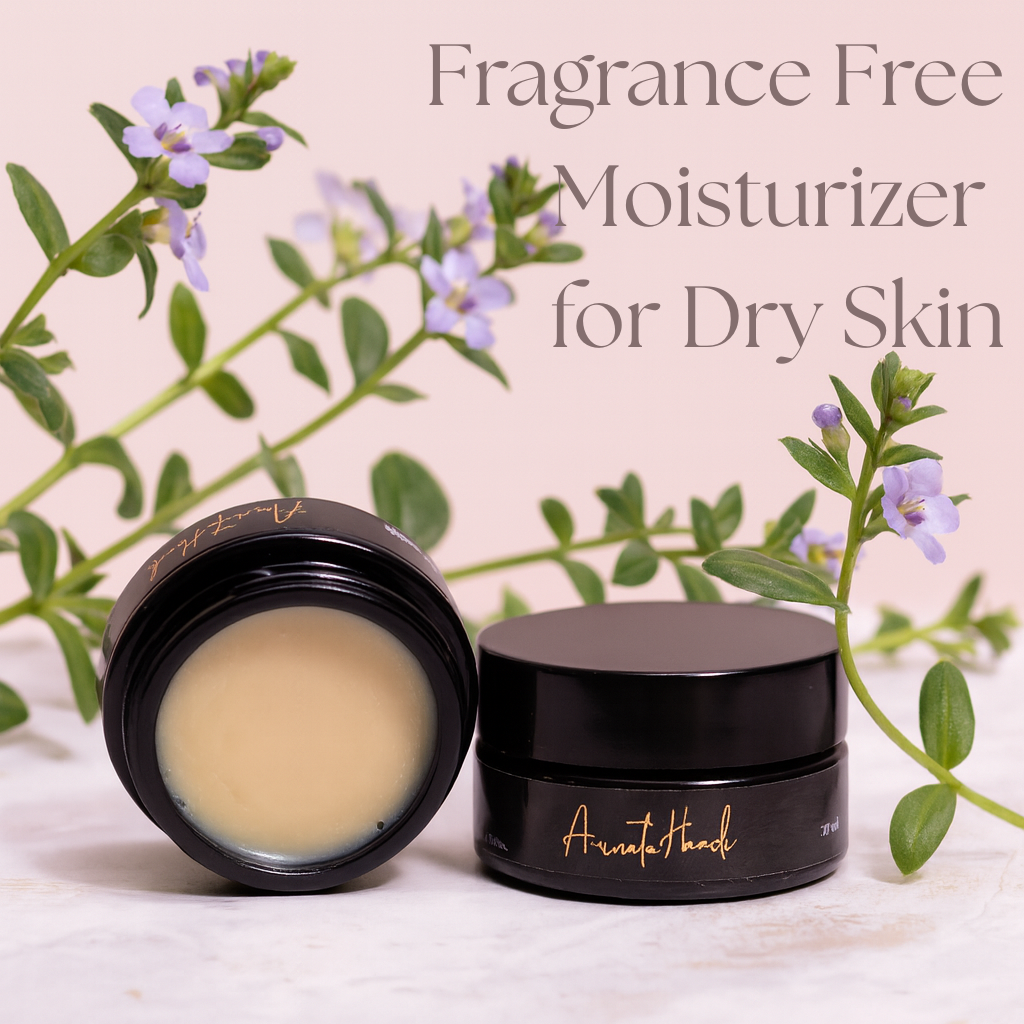
When the skin has been freshly exfoliated, barrier support is crucial. ORI Face Balm was developed with this need in mind — a plant-based, waterless balm formulated to restore comfort and hydration without irritation.
At its core is bakuchiol, a natural alternative to retinol that boosts collagen production. Unlike synthetic retinol, bakuchiol delivers similar benefits — such as improving texture and promoting cell turnover — without the redness or peeling often associated with retinoids. This makes it particularly well-suited for dry and sensitive skin.
ORI Face Balm also features Nilotica shea butter, an East African shea butter variety known for its exceptionally low comedogenic rating. Its soft, creamy texture melts into the skin, reinforcing the lipid barrier while allowing it to breathe. The high concentration of vitamins A and E nourishes the skin while protecting against environmental stressors.
Using a face balm like ORI after exfoliation helps maintain hydration, minimize inflammation, and support the skin’s natural healing processes — essential steps in any sensitive skin care routine.
Incorporating Exfoliation Into Your Routine
Here’s how to integrate exfoliation safely without compromising your barrier:
- Start slowly: Once a week is enough for beginners.
- Avoid over-exfoliating: Redness, flaking, or tightness are signs you’ve gone too far.
- Hydrate afterward: Always follow with a balm or moisturizer.
- Pair with sun protection: Exfoliated skin is photosensitive.
- Listen to your skin: Frequency and product strength should be based on your skin’s feedback, not arbitrary schedules.
Summary: Finding Balance in Exfoliation
Each type of exfoliant — physical, chemical, or enzymatic — offers its own benefits. Physical exfoliants can help smooth body skin; chemical exfoliants refine texture and clarity; enzymatic exfoliants provide gentle renewal for sensitive complexions.
The right choice depends on your skin type, concerns, and tolerance. Approach exfoliation as a science, not a trend — with consistency and care, it can dramatically enhance your skin’s health and appearance.
(Shop the collection to discover gentle, plant-based care designed to support your skin at every step — before and after exfoliation.)