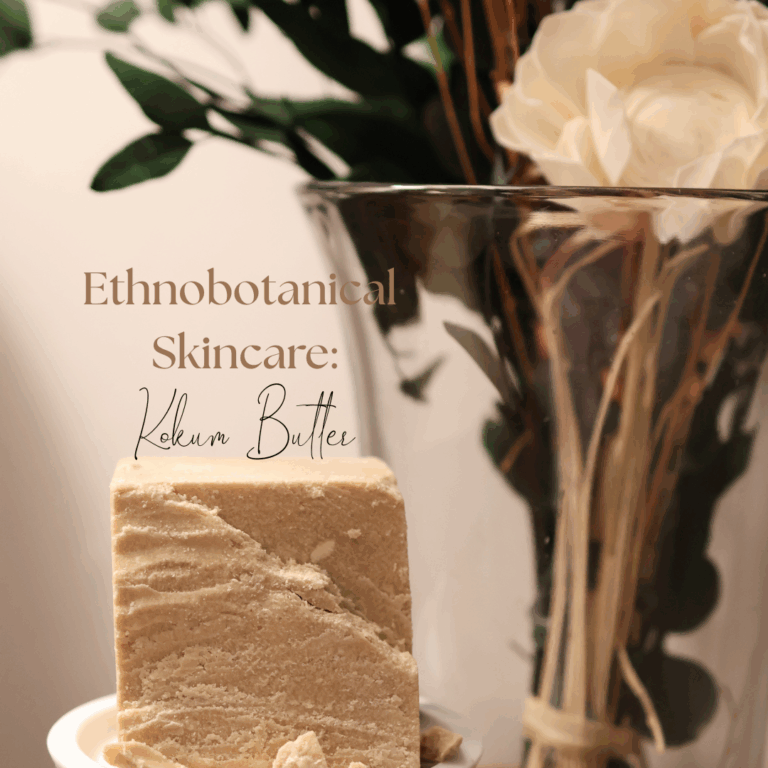
Best Moisturizer for Dry Skin: What to Look For When You’re Starting Over
Best Moisturizer for Dry Skin: What to Look For When You’re Starting Over
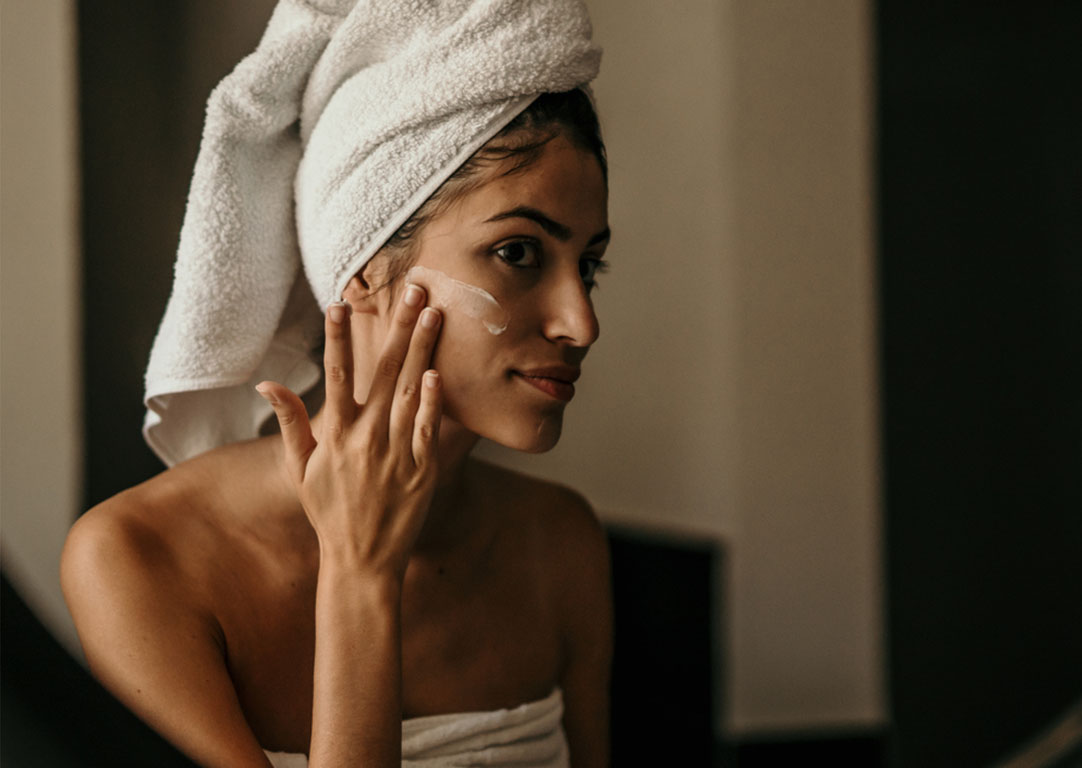
Dry skin makes people impatient. It feels urgent, so they chase quick relief with random layers and constant switching. But the best moisturizer for dry skin is the one that restores comfort consistently—without requiring five supporting products. If you’re simplifying your routine right now, moisturizer is the step worth getting right.
Dry skin vs dehydrated skin
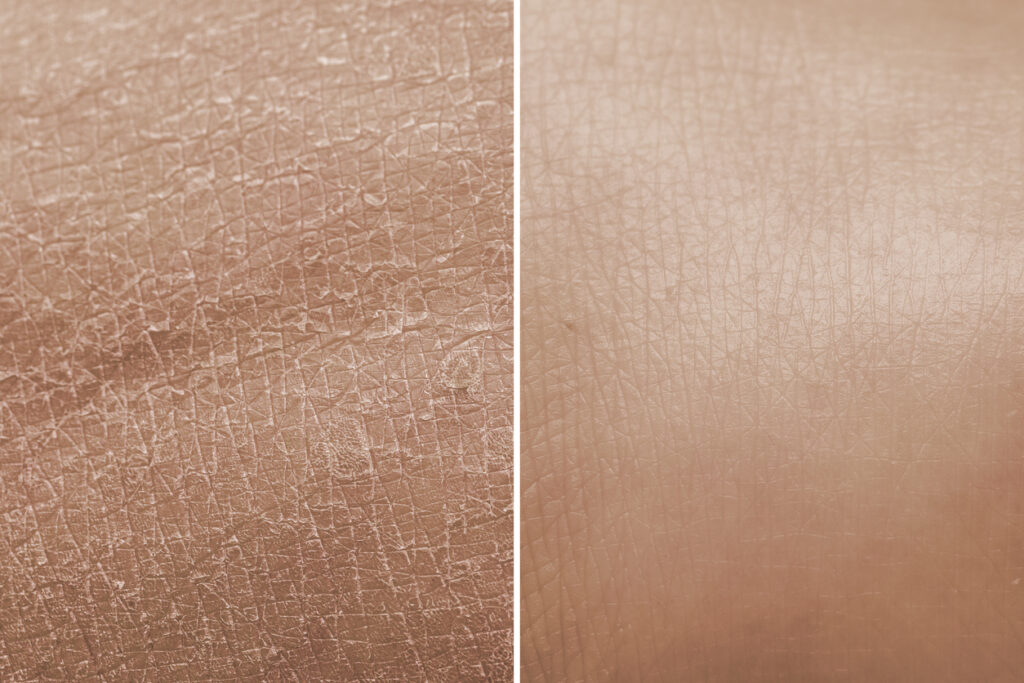
People use “dry” for everything, but the difference matters.
- Dry skin: lacks oil/lipids (often feels tight, rough, flaky)
- Dehydrated skin: lacks water (can feel tight but also look dull; can happen to oily skin too)
Both can coexist. The best moisturizers support barrier function and reduce water loss.
What a dry-skin moisturizer needs
1) Occlusives to reduce water loss
Occlusives create a protective layer that slows evaporation. This is why richer textures can outperform light lotions in winter.
2) Emollients to soften and smooth
Emollients fill in gaps between skin cells, improving texture and comfort.
3) Barrier-supportive ingredients
Many people do better when the moisturizer focuses on barrier integrity rather than “active” stimulation.
If your skin is sensitive or reactive, simpler is usually better. Fragrance-free options often reduce the chance of irritation during dry seasons.
Texture matters more than people admit
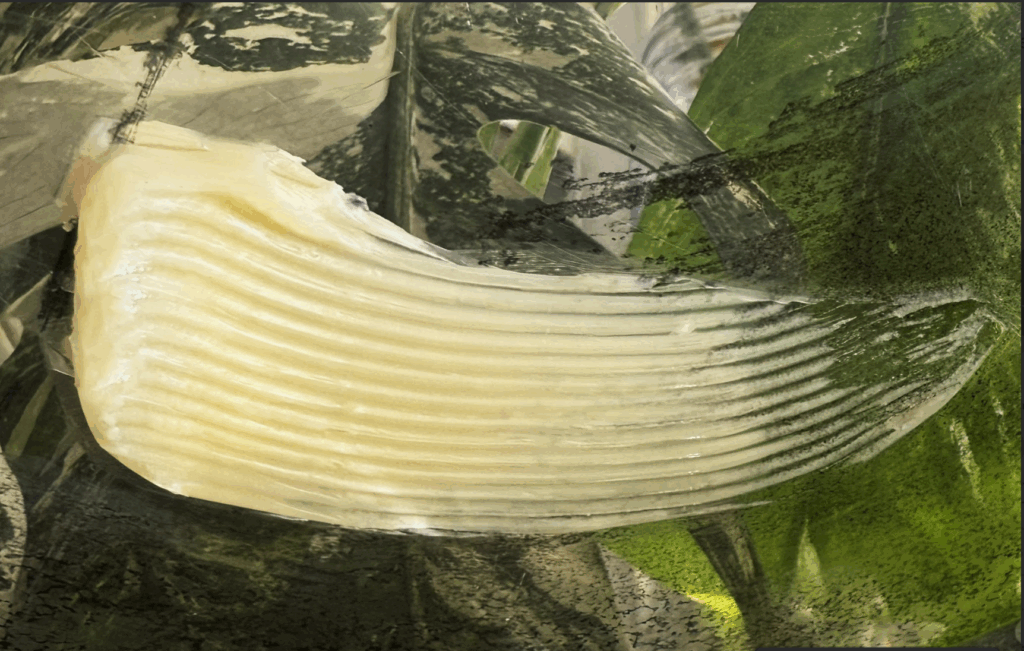
A moisturizer can be “good” on paper and still fail if it doesn’t stay on the skin long enough to do its job.
Common texture categories
- Lotions: lighter, more water-based; comfortable but may not seal enough in cold weather
- Creams: richer; better for persistent dryness
- Balms/Butters: lipid-forward; strong for sealing and comfort, especially overnight
If you wake up dry, your moisturizer may not be lasting—consider a richer formula at night.
dry skin facial care
If you’re rebuilding your routine, do this for 10–14 days:
Morning
- Gentle cleanse (or rinse)
- Moisturize
- Sunscreen
Night
- Gentle cleanse
- Moisturize (richer than morning ie., cream or balm)
Do not “add” actives unless you truly need them. Increasing the number of steps in your skincare routine does not make it more effective. Less is more, unless you need more.
How to choose the best moisturizer for dry skin by scenario
If your skin is dry and sensitive
Look for:
- fragrance-free formulas
- low irritation profile
- barrier-supportive lipids
Avoid: - frequent actives until comfort is restored
If your skin is dry with uneven texture
First confirm your dryness isn’t caused by over-exfoliation. Texture often improves once you stop disrupting your barrier.
If your skin is dry but acne-prone
Dry, irritated skin can break out more. Under-moisturizing is not a solution. Choose a moisturizer that feels protective without heaviness, and avoid aggressive “drying” acne routines.
How to test whether a moisturizer is working
Give it 7–10 days of consistent use. Watch for:
- less tightness after cleansing
- fewer dry patches during the day
- smoother texture without extra steps
- reduced redness or sensitivity
If your skin still feels tight shortly after applying, you likely need either a richer texture or better barrier support.
Closing
The best moisturizer for dry skin isn’t the trendiest—it’s the most reliable. When you’re starting over, choose comfort, stability, and repeatability. Then protect what you build. Dry skin improves when you stop treating it like an emergency and start treating it like a system.