
Winter Wellness: Movement as Maintenance
Winter Wellness: Movement as Maintenance
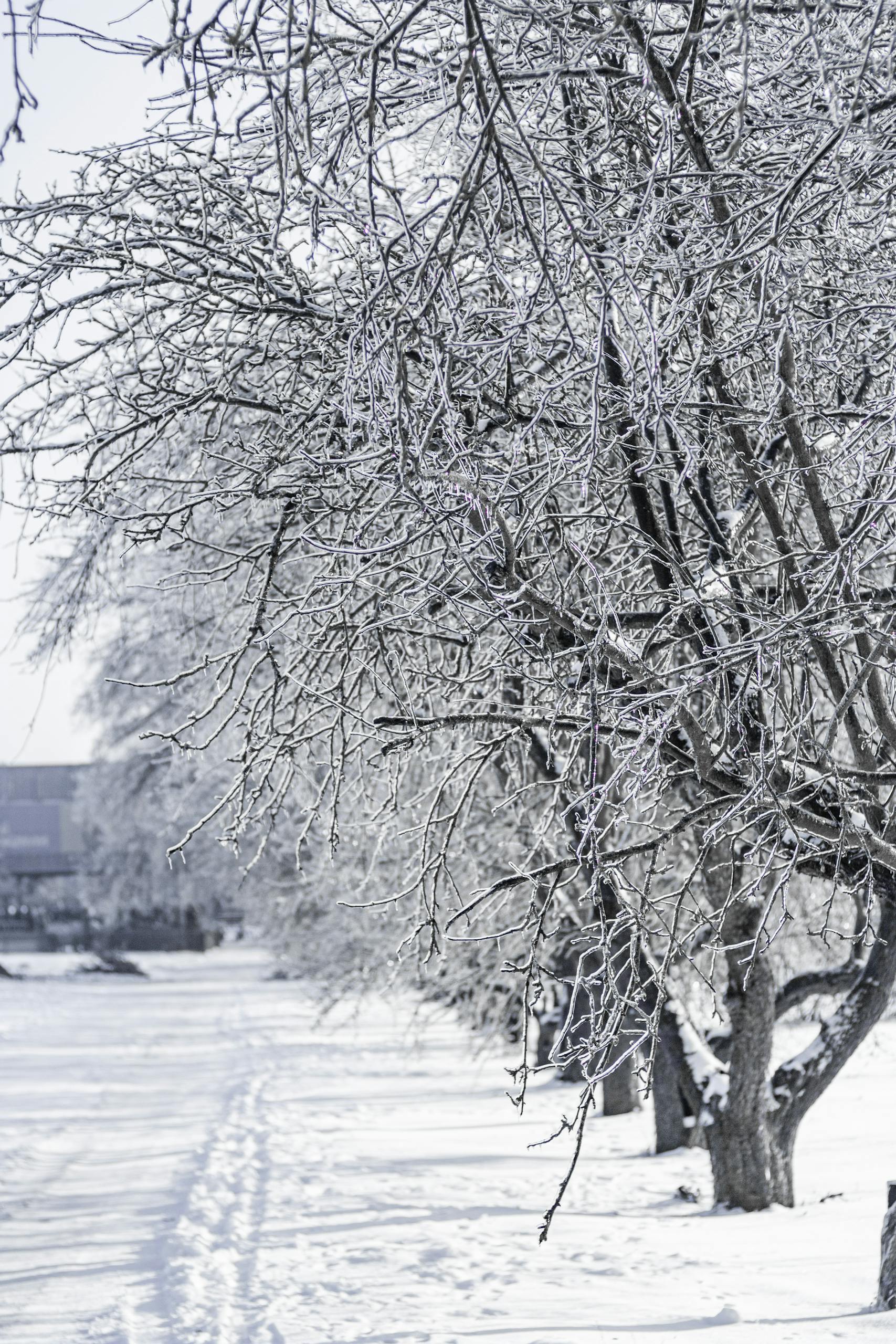
Winter teaches stillness. The body contracts against cold, conserves energy, retreats indoors. This is not inherently wrong—seasonal rhythms govern more than we admit, and the impulse to slow down in January is older than any modern prescription for year-round productivity. But there is a difference between seasonal rest and sustained inertia. The first is recovery. The second is something else entirely.
What concerns most people about winter is weight gain or cardiovascular decline—the body’s visible softening after months of reduced activity. These are real concerns, but they miss the larger issue. The body can recover from three months of limited exercise. What it struggles to recover from is three months of limited engagement—the gradual withdrawal from the small, sustained movements that keep a person connected to their environment and their own sense of capability.
The Collapse of Ordinary Motion
Movement in winter becomes selective. We drive instead of walk. We order instead of shop. We sit longer because the air outside is cold and the couch is warm. These are reasonable responses to the season, but cumulatively they create a problem that has less to do with fitness and more to do with rhythm. A person who moves through their day—who walks the aisles of a grocery store, tends to plants, handles errands on foot—remains in active relationship with their surroundings. They are not exercising. They are maintaining. They are participating in the ongoing work of living.
When that motion stops, the world becomes something to observe rather than something to move through. Errands feel heavier. Household tasks pile up. The gap between intention and action widens, not because of laziness but because the body has fallen out of practice. What was once automatic—putting on a coat, walking to the store, carrying bags—now requires deliberate effort. This is not about strength. It is about rhythm, and rhythm, when interrupted, does not resume easily.
The Mental Consequence of Physical Withdrawal
The mind responds to stillness in ways that are easy to miss. When the body stops moving, thought becomes slower, more circular. Decision-making feels harder. The gap between “I should” and “I will” widens. This is not depression, though it can resemble it. It is the feedback loop between body and mind breaking down.
The mind relies on the body’s signals to gauge readiness and capacity. When the body sends no signals—when it sits, reclines, remains inert for hours—the mind interprets this as evidence that nothing is required. Thoughts arrive but do not lead to action. Plans form but do not compel follow-through. The person knows what they need to do, but the knowledge sits inert.
This is why winter lethargy is so persistent. It does not announce itself as a problem. It feels like tiredness, like reasonable accommodation to the season. And perhaps it is, at first. But when rest extends into weeks, when stillness becomes the default, the body and mind begin to operate as though this is the new baseline.
Movement as Orientation
What keeps a person functional in daily life is not fitness—it is ordinary motion. The act of moving through space, handling objects, engaging in small physical tasks. A person who tends plants is not exercising, but they are bending, reaching, watering—engaging in movements that keep the body responsive. A person who walks through a grocery store is not training for anything, but they are moving with purpose, making decisions, completing a task. These activities do not build strength the way a gym session does, but they maintain something more fundamental: the sense that the body is a tool for engagement.
When winter eliminates these small movements—when groceries are delivered, when plants are neglected, when even short walks feel like too much effort—the body begins to function as though it is no longer needed. Tasks feel harder not because they are objectively more difficult but because the body has lost its sense of readiness. What was once effortless now requires conscious effort. This is the erosion of the habit of motion, and it affects not just what a person can do but what they feel capable of doing.
Warmer Days as Opportunity
Winter is not uniform. Even in the coldest months, there are days when the temperature rises, when the sun breaks through, when the air softens enough to make outdoor movement tolerable. These days are opportunities to interrupt the cycle of stillness before it becomes entrenched. A person who takes advantage of a warmer afternoon in January—who walks, who runs an errand on foot, who spends twenty minutes outside—is not exercising. They are resetting. They are reminding the body that motion is still possible.
This is not about discipline. It is about recognition: the body needs movement not just for fitness but for orientation, for the sense that it can still move through the world with ease. The warmer days in winter are invitations to maintain what would otherwise be lost.
Sustainability Over Intensity
The mistake most people make about movement is treating it as an event rather than a condition. They think of exercise as something that happens in concentrated bursts—a gym session, a run—and believe the rest of the day can be spent in stillness without consequence. This works in summer, when errands and outdoor tasks naturally generate movement. It does not work in winter, when the default is stillness.
What sustains a person through winter is not intensity but integration. Movement woven into the structure of daily life. Shopping in person. Walking to handle errands. Tending to plants. Taking stairs. Standing while working. None of these are exercises, but they keep the body in motion, keep the mind engaged, keep the person oriented toward action rather than withdrawal.
This is not about optimization. It is about maintenance. The body does not need to be pushed in winter—it needs to be kept awake, kept responsive, kept in the habit of moving. The person who maintains ordinary motion through winter does not emerge in spring needing to rebuild themselves. They emerge ready.
The Difference Between Rest and Retreat
Rest is seasonal. The body needs recovery, and winter provides it. But rest is not the same as retreat. Rest is intentional, bounded, recuperative. Retreat is the slow drift away from engagement, justified daily by cold weather until it becomes the new baseline.
A person resting in winter still moves—still handles their environment, still participates in daily tasks, still takes advantage of warmer days. A person retreating stops moving unless forced to. The cost of retreat is not visible in January. It becomes visible in March, when the weather warms and the person realizes they have no momentum, no ease of transition from stillness to motion.
Winter does not require heroism. It requires maintenance. The person who understands this does not fight the season—they work within it, finding the small, sustainable movements that keep the body responsive. They shop, they tend, they walk when the weather allows. They do not wait for spring to move again. They move because stillness, when it extends too long, costs more than the cold ever could.