Sustainability in Skincare: Why Ethical Sourcing Matters
Sustainability in Skincare: Why Ethical Sourcing Matters
Sustainability in skincare is a question of impact—specifically, who bears the cost of the product you apply to your skin.
Every ingredient purchased shapes the lives of the people behind the supply chain and reshapes the environment from which it was sourced. The question is not whether a brand claims sustainability, but rather, what does that claim mean in practice?
ECO-FRIENDLY VS. SUSTAINABLE
The terms are often used interchangeably but have vastly different meanings.
Eco-friendly skincare reduces environmental harm—recyclable packaging, non-toxic formulations, reduced carbon emissions. These are material improvements that generally cover packaging and shipping.
Sustainable skincare considers long-term impact. It asks: Are the ingredients farmed or harvested in a way that preserves biodiversity? Do sourcing practices protect soil and water quality for future generations? Are the people who grow, harvest, and process these ingredients compensated equitably?
A product can be eco-friendly without being sustainable. A recycled jar filled with an ingredient harvested under exploitative labor conditions is eco-friendly in packaging but extractive in practice. The distinction matters.
FAIR TRADE AND INGREDIENT INTEGRITY
Fair trade is one of the clearest mechanisms through which sustainability operates in skincare. It establishes standards: equitable pay, safe working conditions, community investment.
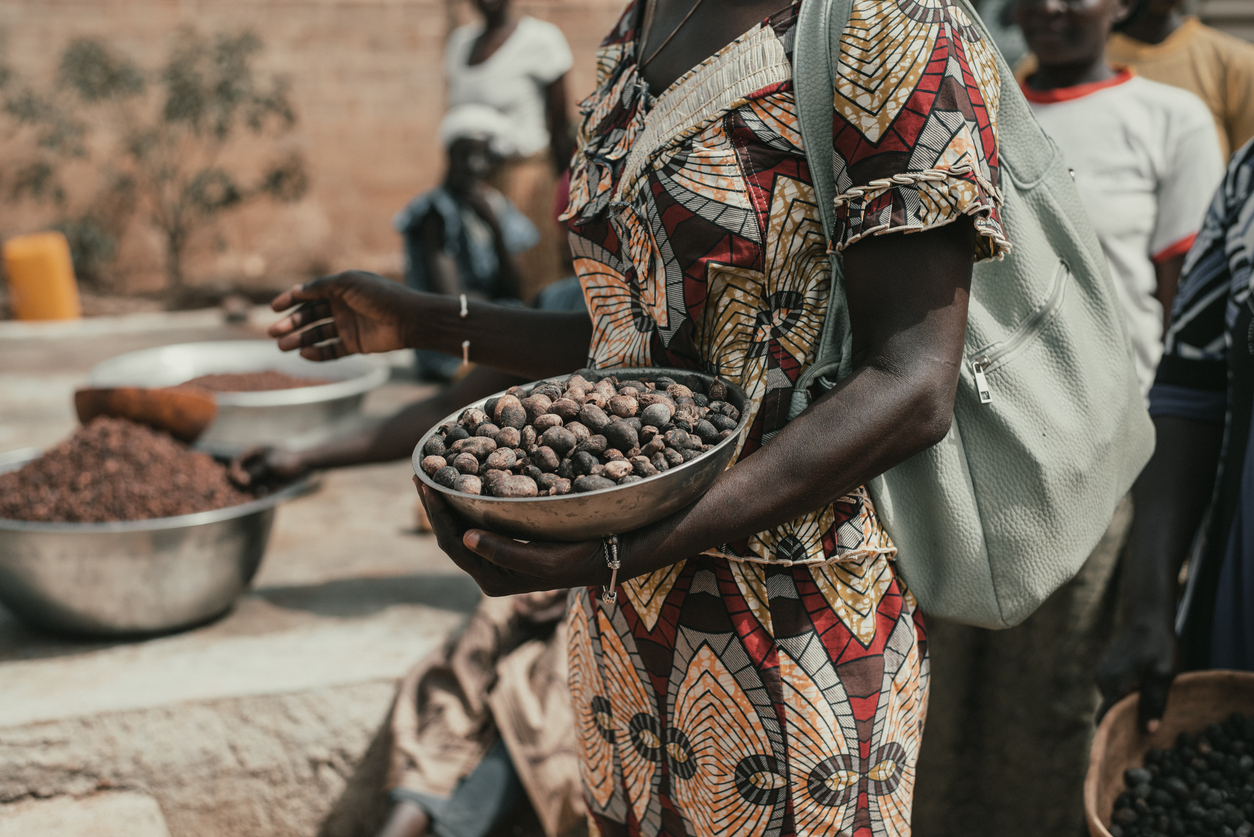
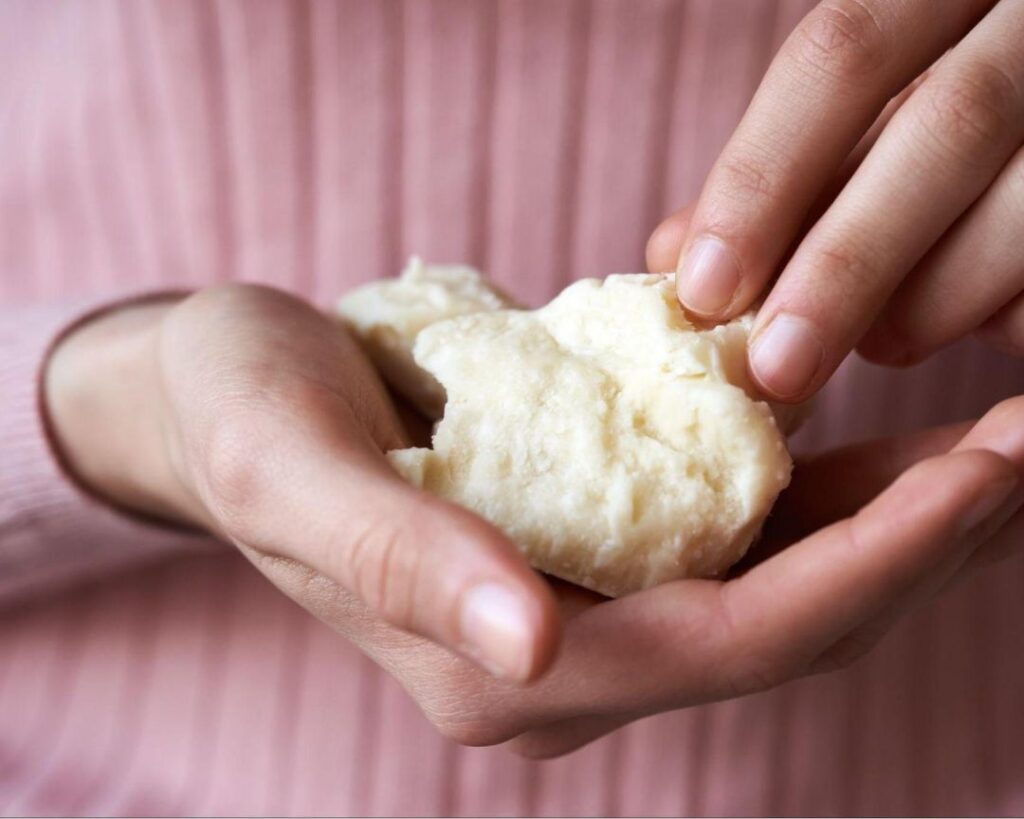
Take raw shea butter. For centuries, women in West and East Africa have harvested and processed shea nuts. Fair trade agreements guarantee not only fair compensation but also access to resources like healthcare, education, and training, that strengthen economic independence.
When you purchase a body butter made with fair trade shea, you are not funding charity. You are participating in a supply chain structured to distribute value equitably rather than extracting it.
This applies to other ingredients as well. Fair trade jojoba supports farmers who prioritize soil health and biodiversity. Madagascar vanilla provides direct trade support for smallholder farmers. Bakuchiol offers a plant-based alternative to synthetic retinol, reducing reliance on industrial synthetic actives while maintaining efficacy.
Ethical sourcing is the recognition that the luxury of wellness should not come at the cost of someone else’s wellbeing.
WHY SOURCING PRACTICES MATTER BEYOND THE PRODUCT
The effects of sustainable sourcing extend beyond individual products. They compound.
Environmental protection: Organic farming practices reduce chemical runoff, preserving local water supplies and preventing soil degradation. Wild-harvested ingredients, when managed responsibly, maintain ecosystem balance rather than depleting it.
Cultural preservation: Traditional methods—like hand-processing raw shea butter or wild-harvesting kokum—keep heritage knowledge alive. When these practices are economically viable, they survive. When they are undervalued, they disappear.
Economic stability: Fair trade pricing shields producers from market volatility. It allows families to plan for the future rather than react to exploitative price fluctuations dictated by distant buyers.
This layered impact is what makes sourcing non-negotiable for any brand that claims conscious beauty. You cannot separate the quality of the ingredients from the conditions under which it was produced. The two are inseparable.
WHAT SOURCING TRANSPARENCY REVEALS
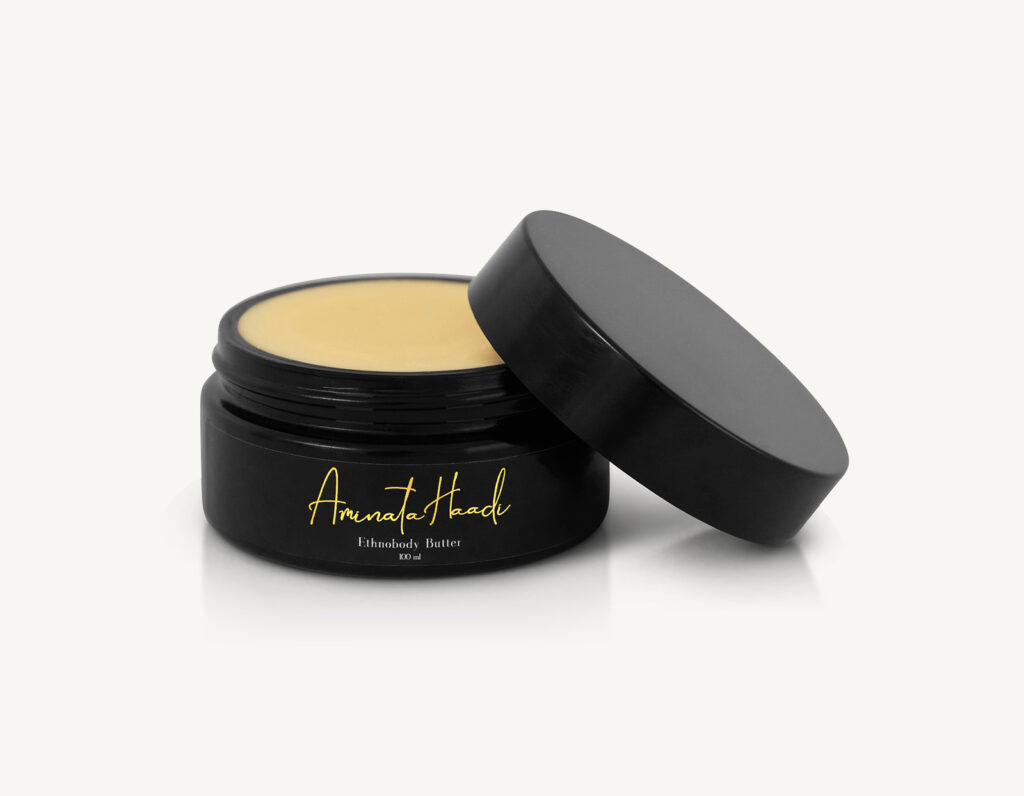
Transparency in sourcing is diagnostic. It reveals whether a brand understands the supply chain or simply markets the appearance of sustainability.
A brand that discloses ingredient origins—East African shea butter, kokum from India, kpangnan from Benin and Togo—demonstrates accountability. A brand that uses generic terms like “shea butter” or “plant-based ingredients” without specificity implies a lack of transparency.
Certifications matter, but they are not sufficient. Fair trade and organic certifications establish baselines. What matters beyond certification is the relationship between the brand and the supplier. Direct trade, long-term partnerships, and supply chain visibility indicate a brand that values the people behind the ingredients, not just the ingredients themselves.
At Aminata Haadi, we source wild-harvested and organically grown botanicals from their regions of origin. These are not interchangeable ingredients pulled from a supplier catalog. They are specific plants, grown in specific ecosystems, processed using traditional methods that preserve their integrity.
The quality of the product depends on the quality of every ingredient. And the quality of every ingredient depends on how it was sourced.
cLOSING
Sustainability in skincare is not a trend. It is a structural question: how is value distributed across the supply chain?
Choosing a face balm made with fair trade shea butter over a lotion filled with refined synthetics is not a trend. It is a recognition that the system producing one is fundamentally different from the system producing the other. One extracts value. The other distributes it.
The choices you make as a consumer reinforces one system or the other. There is no neutral position.
Explore our ingredients page to learn more about the sourcing practices behind our formulations.