East African vs. West African Shea Butter: What’s the Difference?
East African vs. West African Shea Butter: What’s the Difference?
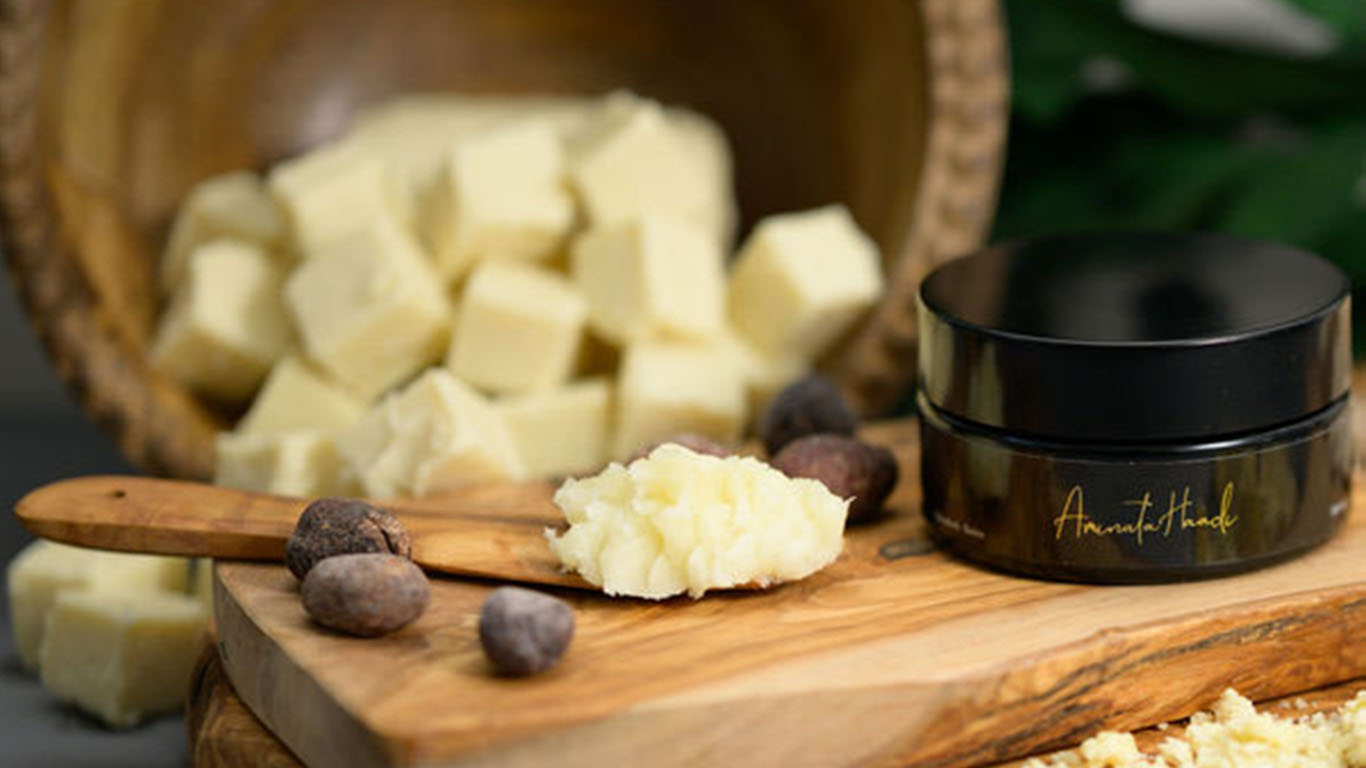
Not all shea butter is the same. The version most people know — dense, ivory, faintly earthy — is West African shea. But there’s a second variety, grown in East Africa, that behaves quite differently on skin. Understanding the distinction helps you choose the right one, and use it correctly.
Origins and Botanical differences
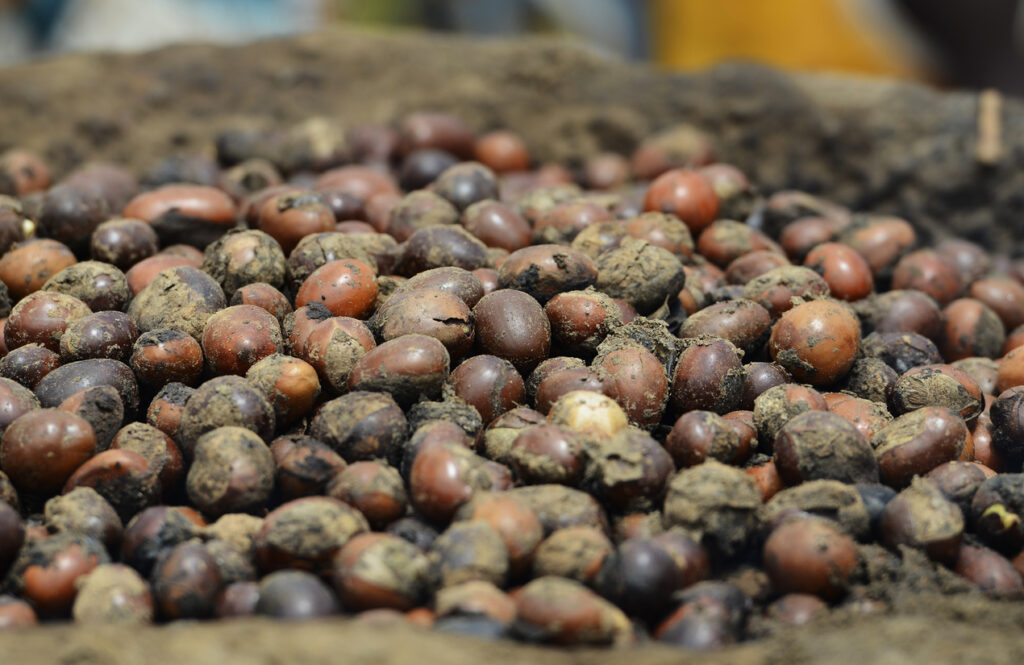
Both types come from the nut of the shea tree, but they’re different species. Vitellaria paradoxa grows across West Africa. Vitellaria nilotica grows in East Africa, primarily Uganda, South Sudan, and the surrounding region. Climate, soil, and traditional harvesting methods in each area shape the butter’s fatty acid composition — which is what ultimately determines how each one feels and functions on skin.
West African Shea Butter: Dense and Protective
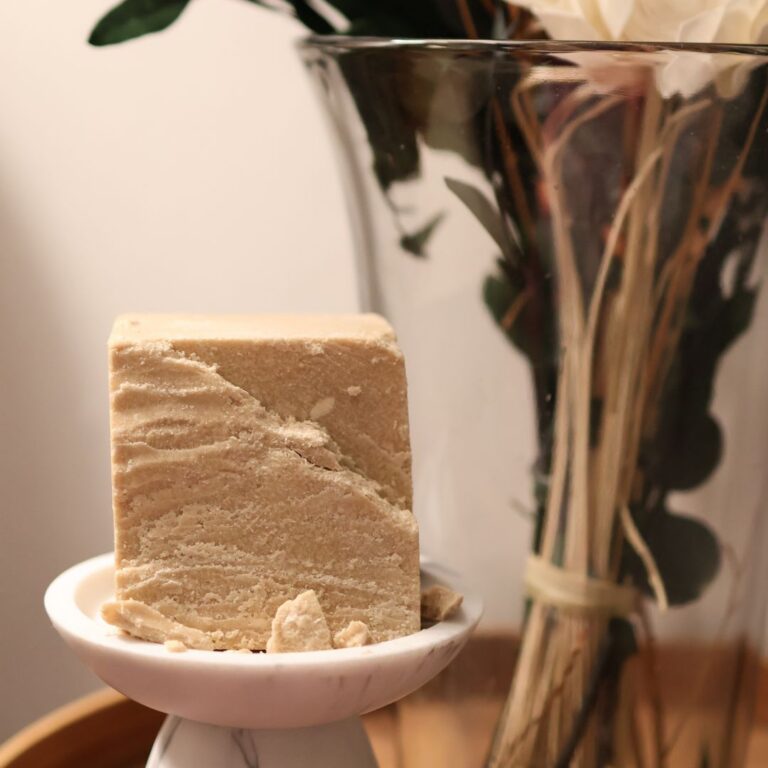
West African shea is the variety you’re most likely to encounter. It’s firm at room temperature, ivory to pale yellow in color, and carries a distinctly nutty aroma when unrefined. Its higher stearic acid content makes it heavier and more occlusive — meaning it forms a protective layer on the skin surface that slows moisture loss rather than absorbing immediately.
That density is an asset for the right application. West African shea is well-suited to body care: heels, elbows, and areas that need prolonged protection against dryness or cold. It’s the foundation of traditional healing balms and rich body butters for exactly this reason. On the face, its weight can be too much for most skin types.
Read: Raw Shea Body Butter for Skin: Benefits and Uses
East African Shea Butter (Nilotica): Soft and Silky
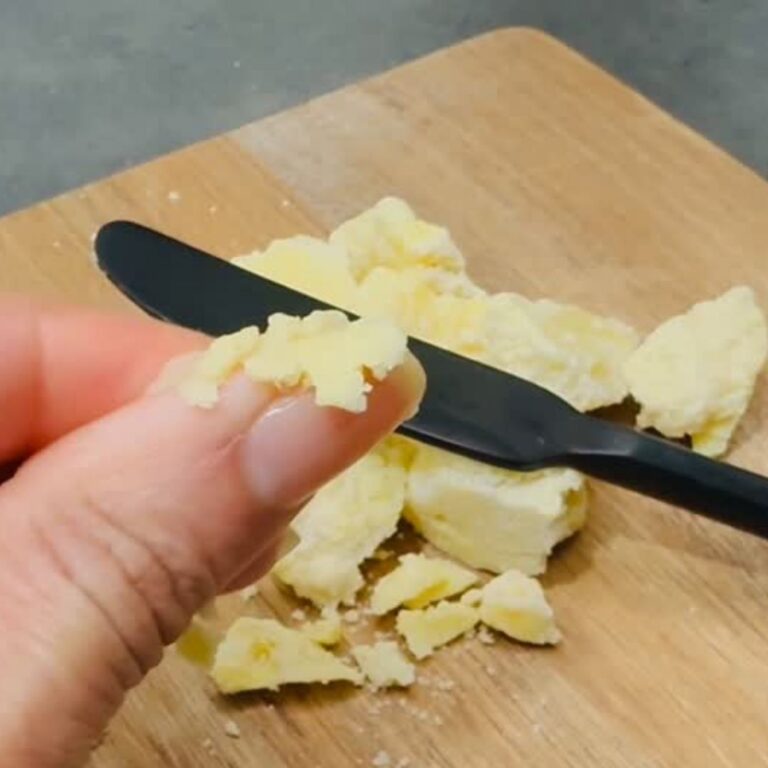
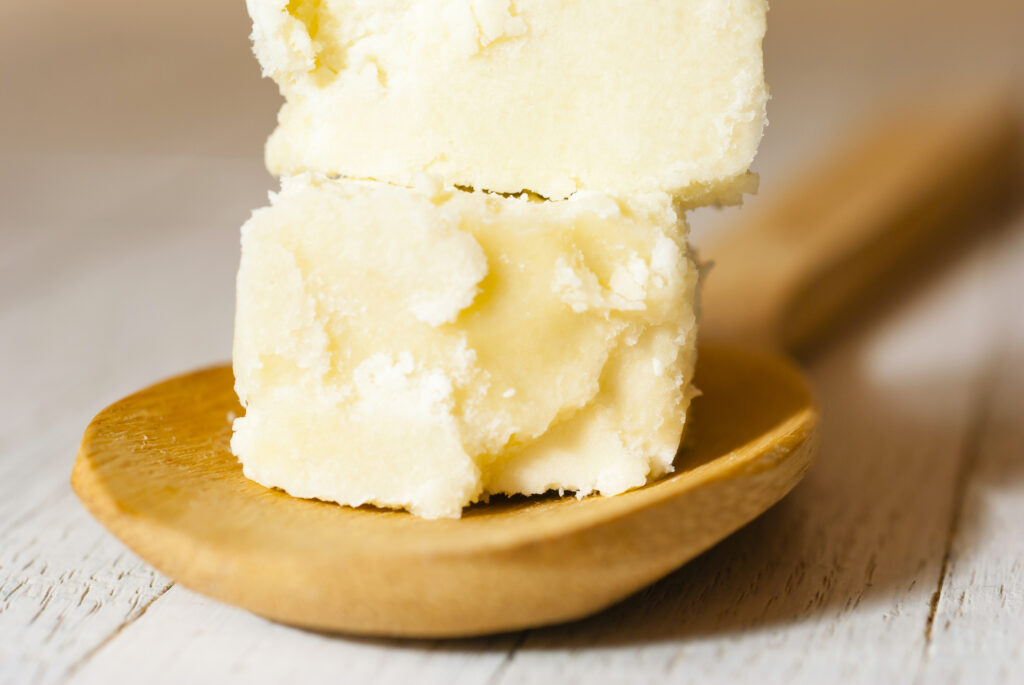
Nilotica shea is a different experience. It’s naturally soft — almost whipped in texture at room temperature — and notably lighter in color and scent than its West African counterpart. The difference comes down to oleic acid: nilotica has a higher concentration, which gives it a much faster absorption rate and a non-greasy finish.
Where West African shea sits on the skin, nilotica sinks in. That makes it suitable for facial use, sensitive skin, and daily routines where a heavier occlusive would be impractical. It’s also why nilotica is the shea of choice in anhydrous formulations that need to deliver dense lipid content without sacrificing texture.
The Importance of Quality
The botanical species matters — but so does how the butter was processed. Unrefined shea, whether East or West African, retains its full complement of vitamins A and E, essential fatty acids, and the triterpene alcohols responsible for much of its skin-calming activity. Refining removes those compounds along with the color and scent. What remains is a more cosmetically neutral ingredient, but a less complete one.
For both types, unrefined is the benchmark. It keeps the butter as close to its natural state as possible, which is where its value lies.
Shea Butter in Anyhydrous Skincare
Waterless formulas have no water to dilute actives or create the emulsification problems that come with it. In that context, shea butter — in either form — functions as a primary lipid base: deeply emollient, structurally stable, and compatible with a wide range of other plant-based oils and butters. West African shea contributes body and occlusion. Nilotica contributes slip and faster penetration. In a well-designed anhydrous formula, they often work together.
Choosing between the two
The distinction is straightforward once you know what each one is built for.
West African shea is a body butter by nature — protective, dense, best applied where the skin is thickest and the need for deep occlusion is highest. East African nilotica is face-appropriate: lighter, faster-absorbing, and refined enough in texture for daily facial use on most skin types, including sensitive.
Both are uncompromised plant-based ingredients. The choice comes down to where you’re using it and what your skin requires.