
Aligning Routine Wellness with Nature’s Rhythm
Aligning Routine Wellness with Nature’s Rhythm
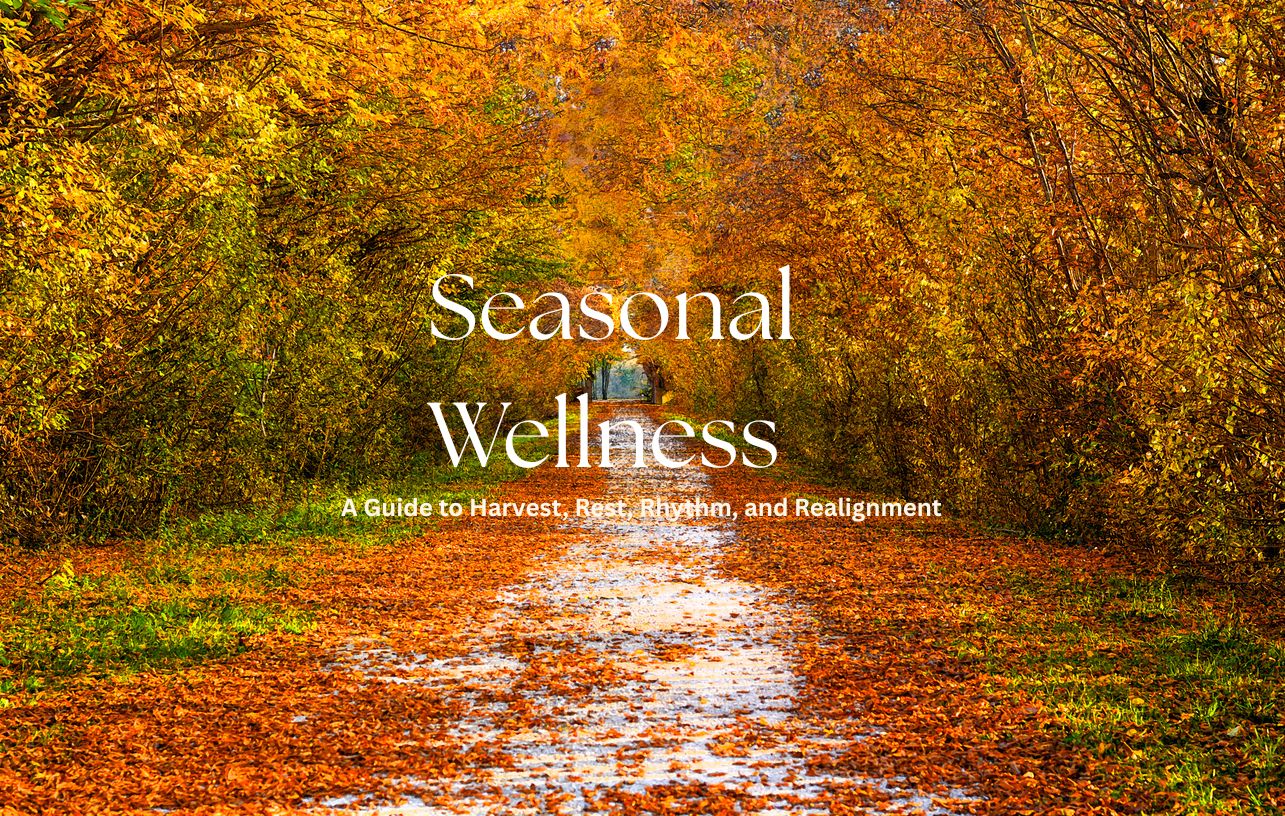
With the season’s transition to fall, now is an ideal time to begin shifting our routines. Modern life moves at a pace that rarely considers natural order. Eating, sleeping, and daily movement have become byproducts of convenience rather than replications of the cycles that shape behavior and activity.
Rest arrives only when our eyes can no longer fixate on a screen or keep pace with the scroll. We eat foods out of season and set resolutions during times of low energy. We’ve learned to carry on with the same routines whether it’s summer or fall—but this adaptation runs counter to nature’s biorhythm.
When we allow our daily habits to flow with the season’s change, well-being begins to shift. These rhythms hold subtle but profound insights into the interconnectedness of mind, body, and spirit. In this article, we explore subtle yet effective ways to transition with the season and restore health and wellness.
The Cycles That Shape Holistic Wellness
We are not immune to the patterns of the world around us. Our energy ebbs and flows with the light, our sleep is shaped by the turn of the sun, and even our appetite adjusts with seasonal harvests. These rhythms are not arbitrary and instinctively live within us.
When we override them—eating summer fruit in winter, working during hours of rest, sleeping during active states, not aligning movement with seasonal change—we create friction. Nutritional deficits. Fatigue as restless sleep becomes a pattern. Emotional and physical tension arise, but they are not without cause.
Relearning these cycles is less a return to familiarity, than it is conscious prioritizing. To put your well-being as the focal point is to allow your wellness to anchor you. This approach to life is beyond lifestyle, it’s a grounding principle.
Routine Wellness: Eating in Season for Mind Body Alignment

Seasonal foods arrive in harmony. Root vegetables and hearty squashes in fall, leafy greens in spring, berries at the peak of summer—the organic growth patterns of seasonal harvest, simply put, is nature’s menu. This synchronized song and dance of our natural landscape carry the nutritional profile of our needs.
To eat in season is to work with nature’s cadence rather than imposing our own. Fall vegetables like pumpkin, kale, and squash offer sustenance that sustains warmth and energy as daylight shortens. Their presence in our meals connects us, in subtle ways, align our energy, emotionally and physically, with seasons change.
This way of life is not about diet or strict change in regimen but an approach that centers attentiveness—an invitation to allow food to reflect time.
For more on the seasonal impact of skin and vitality, read: Skincare for Seasonal Changes: Best Foods for Skin
Slow Living: Rest and Rhythm
Aligning with seasonal patterns restores more than physical health; it recalibrates the mind’s pace. This internal rhythm creates steadiness. We begin to respond to energy rather than react to circumstances.
Rest, then, becomes more than physical—it is the slowing of thought, the softening of pace, the loosening of urgency. Just as the harvest signals a time of drawing in, of storing, of less movement and more reflection, we are reminded that rest is not passive. It is preparation—a deliberate shift in how we carry ourselves through a changing season.
There is a clarity that emerges in fall—a drawing inward, a slowing down. This isn’t stagnation; it’s recalibration. A moment to gather what is needed and leave what is not. Rest, in this context, is not merely the absence of exertion. It is a form of rebalancing—an acknowledgment that different seasons ask different things of us.
Read: How Do Changing Seasons Affect Our Lifestyle?
Returning to Rhythm
When we speak of holistic wellness, it is easy to drift toward the abstract. But the foundation is often simple: how we eat and how we sleep. These two acts shape how we process the day, how we restore overnight, and how we meet the demands of life with clarity rather than depletion.
Seasonal change invites us to reexamine these relationships—to align mealtimes with what the body truly needs, and to let rest reflect the demands of shorter days. This is the essence of routine wellness: a return to the basics, not as reduction, but as refinement.
Slow living is not a performance of minimalism; it is a recalibration of pace. A decision to move in sync with nature’s rhythm, to allow mind, body, and spirit to converge rather than compete.
As the season changes, let that shift be mirrored in how you rest, how you nourish, and how you carry your routine forward—not perfectly, but with awareness.
For further reading, explore Skincare for Seasonal Changes: Best Foods for Skin and How Do Changing Seasons Affect Our Lifestyle? for additional insight into the ways seasonal transitions affect both internal and external rhythms.